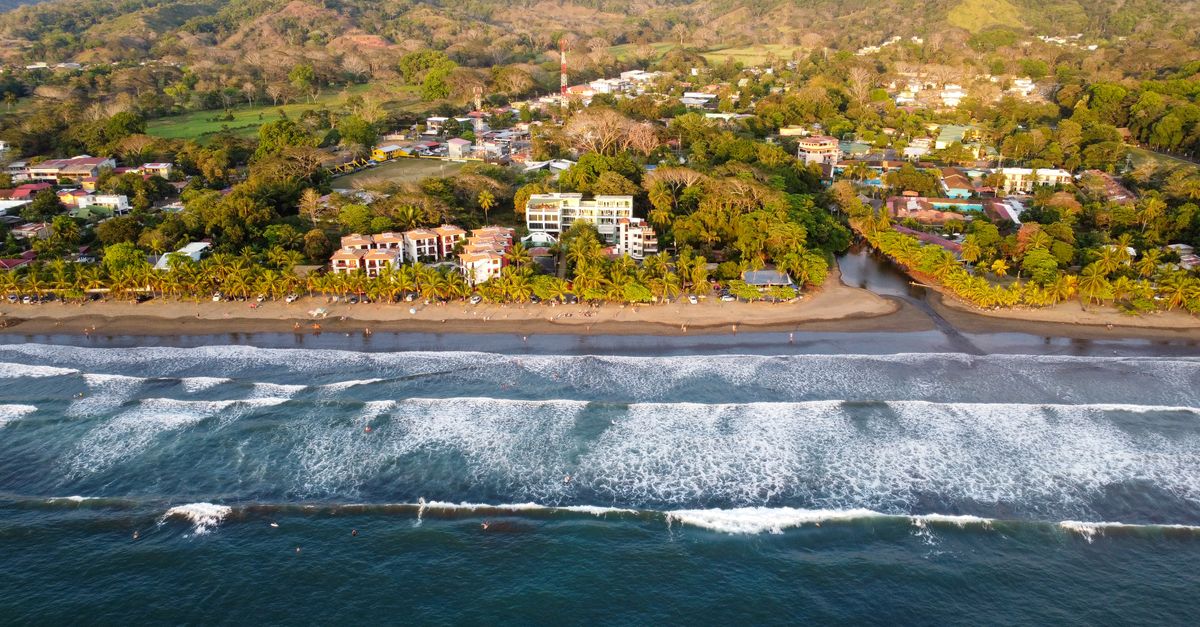
Travel tips
Is Costa Rica expensive? The ultimate guide to avoiding the gringo tax
Yes, Costa Rica is the most expensive country in Central America, with prices comparable to parts of the US or Europe. Expect to spend $70 to $100 per day as a budget traveler, or $200+ for a mid-range experience, though you can drastically cut costs by eating at local sodas and using public transit.
If you are planning a trip to Central America, you have probably heard the warnings: Costa Rica is beautiful, but it will empty your wallet. It is often called the Switzerland of Central America, and not just because of its peaceful history. The prices here can easily rival those of Western Europe or North America.
But why is it so pricey, and do you actually have to spend a fortune to see a sloth? I built TruePrice to help travelers cut through the inflated tourist prices and find what locals actually pay. Let us break down the real cost of traveling in Costa Rica, from your morning coffee to your afternoon zip-line.
Why is Costa Rica so much pricier than its neighbors?
Costa Rica has a stable economy, high standards of living, and a massive ecotourism industry that primarily caters to North American travelers. Because of this, many tourist hubs like Manuel Antonio, Tamarindo, and La Fortuna have essentially dollarized.
Import taxes are also incredibly high. Anything not produced inside the country: from sunscreen and beer to rental cars and electronics: carries a heavy duty. When you combine high taxes with a highly developed tourism infrastructure, you get a destination that is significantly more expensive than neighboring Nicaragua or Guatemala.
What does a fair meal actually cost?
If you walk into a trendy, English-menu bistro in La Fortuna or Santa Teresa, you will pay US prices. A burger and a craft beer can easily run you $25.
To eat affordably, you need to look for a “soda”. These are small, family-run, open-air diners serving traditional Costa Rican food. The staple dish is the casado, a massive plate of rice, beans, plantains, salad, and a protein like chicken, fish, or pork. A casado at a local soda is filling, healthy, and incredibly cheap.
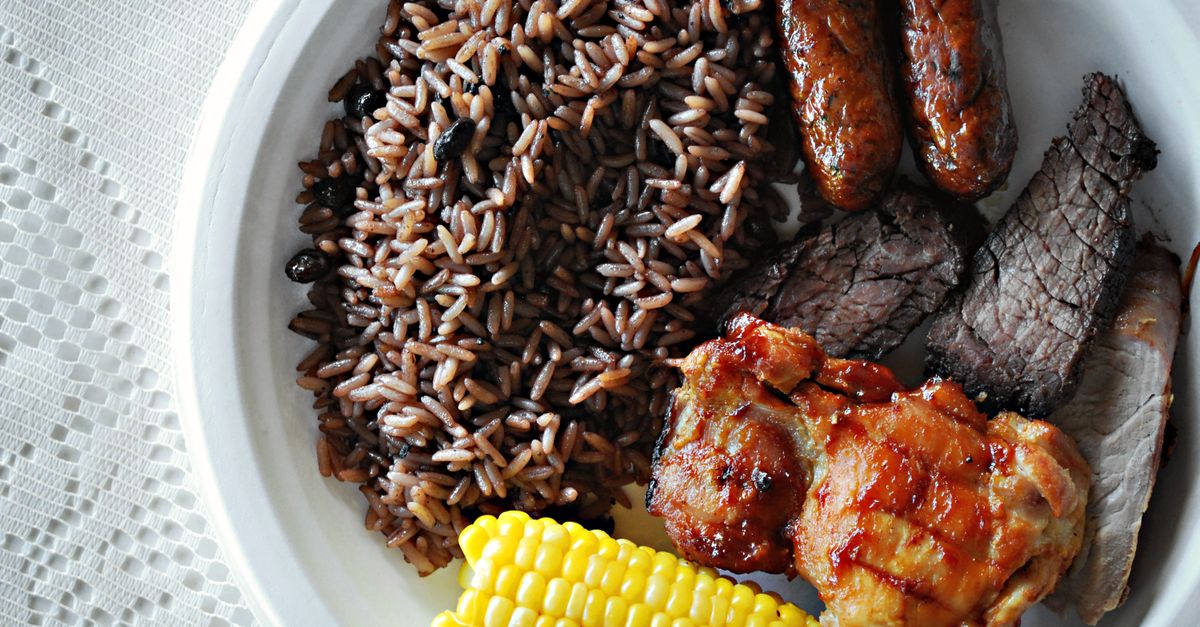
Here is a quick look at the price difference between eating like a local and falling into the tourist traps:
How much should you pay for transport?
Transport is one of the biggest budget killers in Costa Rica. The country is mountainous, and roads can be rough, making travel times surprisingly long. You have three main options: public buses, shared tourist shuttles, or renting a car.
Public buses are incredibly cheap. A four-hour ride from San Jose to Manuel Antonio costs around $9 (4,500 CRC). The downside is they can be slow and do not always run on convenient schedules.
Shared tourist shuttles (like Interbus or Tropical Tours) are comfortable and convenient, but they charge per person. If you are traveling solo, they are great. If you are a group of three or four, renting a car or booking a private driver is often cheaper.
If you rent a car, watch out for the mandatory insurance scam. Many online booking sites show rental rates for $5 a day. When you arrive at the counter, the rental agency will force you to buy government-mandated Liability Insurance, which adds $20 to $40 per day to the bill. Always ask for a quote that includes all mandatory local taxes and insurances.
| Transport Option | Typical Cost | Best For | Notes |
|---|---|---|---|
| Public Bus | $5 - $12 | Solo budget travelers | Slow, but incredibly cheap |
| Shared Shuttle | $45 - $60 per person | Couples, solo travelers | Door-to-door, air-conditioned |
| Car Rental (Small SUV) | $50 - $90 per day | Families, groups | Must include mandatory insurance |
| Private Transfer | $150 - $250 per trip | Groups of 4+ | Convenient for long distances |
Are national parks and activities worth the steep entry fees?
Costa Rica has privatized and monetized its nature remarkably well. Unlike some countries where you can wander into the wilderness for free, almost every waterfall, volcano trail, and hanging bridge in Costa Rica has an entry fee.
National park entry fees are set by the government and are generally reasonable, ranging from $10 to $18 per person. However, private reserves and adventure parks can be eye-wateringly expensive. A guided night walk can cost $60, a zip-line tour can easily cost $85, and a day at a hot spring resort can top $100.
To save money, pick your paid activities wisely. You do not need to hire a guide for every single park. Parks like Manuel Antonio or Cahuita have well-marked trails where you can easily spot wildlife just by looking where the tour groups are pointing their telescopes.
How to spot and avoid the gringo tax
To keep your costs down, you need to understand how pricing works on the ground. Here are a few simple rules to protect your wallet:
First, always pay in the local currency, the colon (CRC), when you can. While businesses in tourist areas accept US dollars, they will calculate the conversion rate in their head, and it is rarely in your favor. Withdraw colones from official bank ATMs (like Banco Nacional or BCR) rather than independent ATMs, which charge predatory fees.
Second, check your restaurant bills. By law, all menus must include a 13% sales tax and a 10% service charge. Some tourist-facing restaurants print prices without these taxes to make the food look cheaper, then slap an extra 23% on your bill at the end. Look for the phrase “impuestos incluidos” (taxes included) on the menu.
Third, do your grocery shopping at local supermarkets like Pali or Maxi Pali. These are no-frills, discount supermarkets owned by Walmart. Avoid boutique tourist markets or “supermercados” in beach towns, which mark up basic goods like sunscreen, insect repellent, and snacks by up to 200%.
Costa Rica does not have to be a budget-breaker. By eating at local sodas, using public transit, and choosing your excursions carefully, you can experience this tropical paradise without paying tourist-trap prices.
To make sure you are always paying the fair local rate for food, transport, and drinks while you travel, download TruePrice for free: https://truepriceapp.com



Frequently asked questions
Is it cheaper to pay in US dollars or Costa Rican colones?
It is almost always cheaper to pay in colones. While US dollars are widely accepted, businesses often use an unfavorable exchange rate that adds a 5% to 10% premium to your purchase.
Why are car rentals in Costa Rica so expensive?
The base rental price looks cheap online, but Costa Rica mandates a compulsory Third Party Liability insurance by law. This mandatory fee can easily double or triple your initial online quote at the counter.
How much should I tip in Costa Rican restaurants?
You do not need to leave an extra tip for standard service. Costa Rican law automatically adds a 10% service charge and a 13% sales tax to your restaurant bill.
Can you visit Costa Rica on a budget of $50 a day?
Yes, but you will need to stick to public buses, cook your own meals or eat exclusively at local sodas, stay in hostel dorms, and limit paid activities like guided canopy tours.
Are supermarkets in Costa Rica expensive?
Imported goods like American cereal, cheese, and sunscreen are highly taxed and very expensive. However, buying local staples like rice, beans, tropical fruit, and local coffee is incredibly cheap.
Check fair prices anywhere
TruePrice is free on the App Store and Google Play.