Travel tips
How to budget for a Christmas market in Germany without getting ripped off
A budget of €25 to €35 per person is usually enough for a great night out at a German Christmas market, covering a couple of Glühweins, a hearty main dish like Bratwurst, and a sweet treat. Watch out for the 'Pfand' (mug deposit) which adds €3 to €5 per drink, and avoid buying pre-packaged mass-produced souvenirs at premium prices.
Every winter, Germany turns into something out of a fairy tale. The smell of roasted almonds, the glow of fairy lights, and the steam rising from giant pots of mulled wine make it easy to lose yourself in the magic. But if you are not careful, you can also lose a small fortune. I built TruePrice to help travelers spot the difference between genuine local prices and inflated tourist rates, and German holiday markets are prime territory for markups.
You do not need to spend a crazy amount of money to have an amazing time. Let’s break down what you should actually pay for your festive food, drinks, and gifts in Germany.
How much does food and drink cost at a German Christmas market?
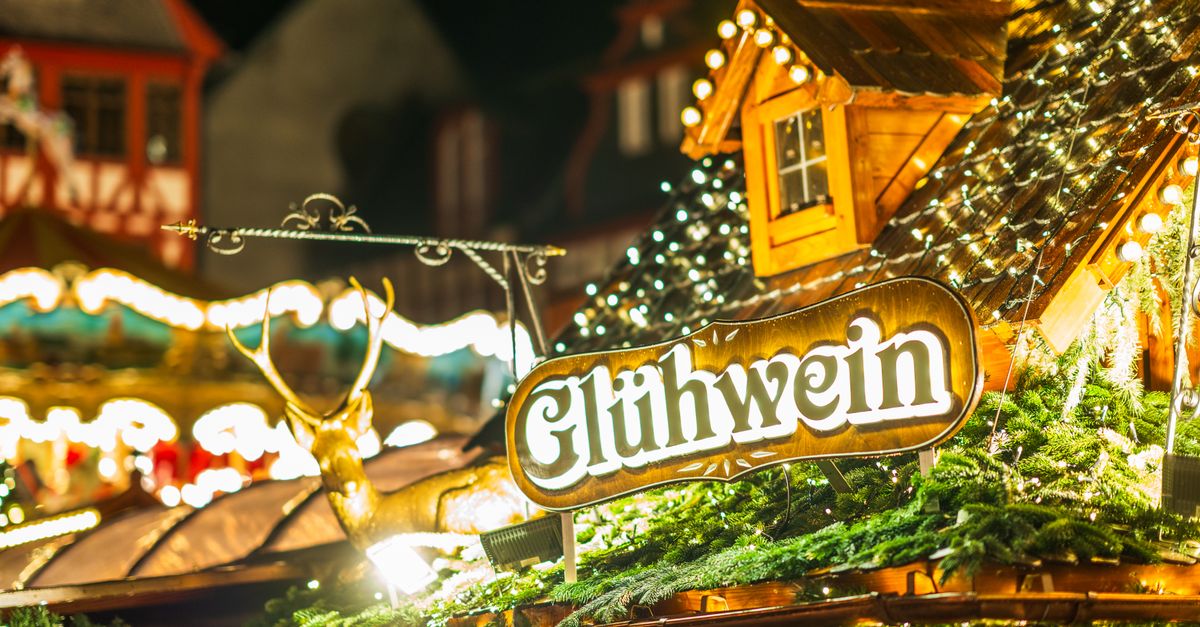
When you step up to a wooden stall, the sheer variety of options can be overwhelming. The staples of any good market visit are Glühwein (mulled wine) and some form of grilled sausage.
A standard cup of Glühwein should cost between €4.00 and €5.00. If you want a shot of rum or amaretto added (called “mit Schuss”), expect to pay an extra €1.50 to €2.00. Anything over €6.00 for a basic cup of mulled wine is a tourist-trap price, often found at the most heavily decorated stalls right in front of major city cathedrals.
For food, the classic German Bratwurst served in a hard roll (Brötchen) is your best value benchmark. In Nuremberg, you will want to look for “Drei im Weckla” (three small Nuremberg sausages in a bun), which should run you about €4.00 to €5.00. Larger half-meter sausages or wild boar sausages in other regions might go up to €6.00 or €7.00. If a stall is asking €8.50 or more for a basic sausage in a bun, keep walking.
Understanding the Pfand system: do not lose your mug deposit
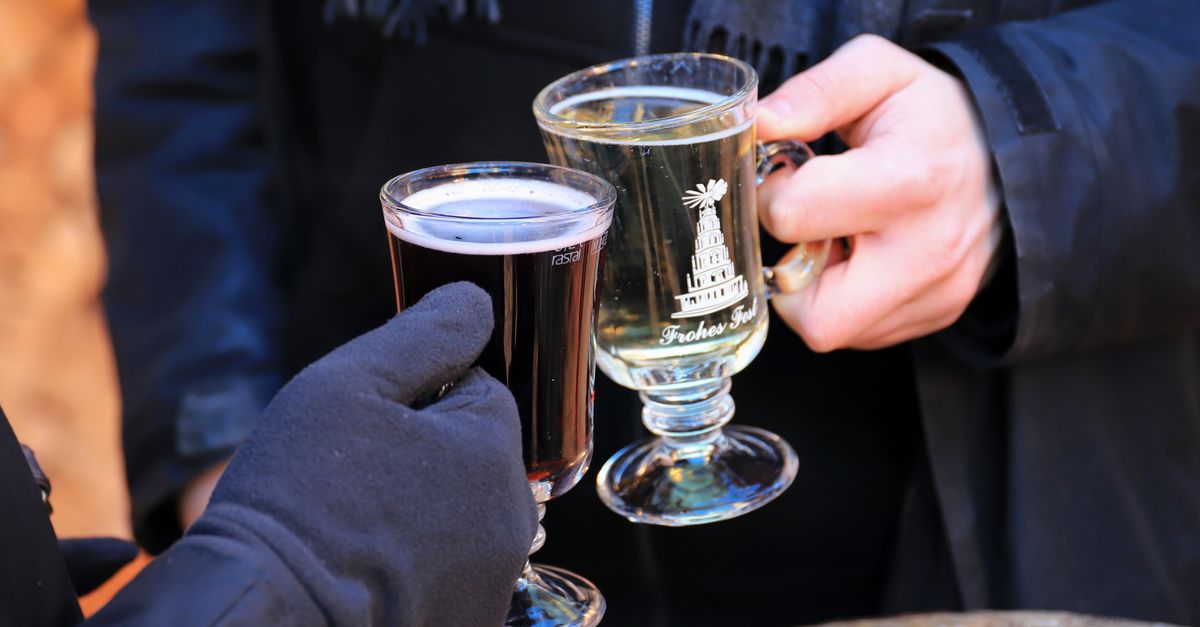
If you order a hot drink and the cashier asks for €9.00 when the sign says €4.50, do not panic. You are not being scammed: you are encountering the Pfand system.
To prevent people from stealing or littering the beautifully designed ceramic mugs, every stall charges a deposit. This deposit is usually between €3.00 and €5.00 per mug.
Here is how to handle it:
- When you finish your drink, take the mug back to any stall selling the same beverage.
- Hand them the mug and say “Pfand zurück, bitte” (deposit back, please).
- They will hand you your cash deposit.
- If you absolutely love the design of the mug, you can simply walk away with it. Your deposit serves as the purchase price. Just know that you paid €4.00 for a mug that probably cost the stall owner €1.50 to produce.
How prices compare across Nuremberg, Cologne, and Dresden
Not all markets are priced equally. The cost of your evening depends heavily on which city you are visiting.
Nuremberg’s Christkindlesmarkt is world-famous, which means it draws massive crowds and slightly higher prices for souvenirs. However, local regulations keep food prices relatively fair. Cologne, being a major western hub with multiple themed markets, tends to have the highest prices overall: especially the market directly beneath the Cologne Cathedral.
Dresden’s Striezelmarkt, the oldest Christmas market in Germany, offers fantastic value. Here, you can find traditional Saxon specialties like Dresden Christstollen (a rich fruit bread) and Handbrot (warm bread stuffed with cheese and ham) for noticeably less than what you would pay in the west of the country.
| Item | Nuremberg (Fair Price) | Cologne (Fair Price) | Dresden (Fair Price) |
|---|---|---|---|
| Glühwein | €4.50 | €5.00 | €4.00 |
| Local Sausage | €4.50 (Drei im Weckla) | €5.00 (Rote Wurst) | €4.50 (Thüringer) |
| Local Sweet | €3.00 (Lebkuchen) | €5.00 (Reibekuchen) | €4.00 (Stollen slice) |
| Handbrot | €6.50 | €7.50 | €6.00 |
Common tourist traps to watch out for in the market stalls
While the atmosphere is generally warm and welcoming, there are a few common ways travelers end up overpaying:
Pre-packaged Lebkuchen tins. Nuremberg is famous for Lebkuchen (gingerbread), but buying them in decorative tins at the market stalls is often a waste of money. The tins look beautiful, but you are often paying a €10.00 premium for a piece of cheap metal containing standard, mass-produced cookies. Instead, buy loose, fresh “Elisenlebkuchen” from local bakeries just outside the market footprint.
Mass-produced wooden ornaments. Many of the wooden nutcrackers, pyramids, and ornaments sold at the markets are no longer hand-carved in the Ore Mountains (Erzgebirge). Many are cheap imports. Real German woodwork will always have a certification stamp (often reading “Echt Erzgebirge”) and will carry a premium price tag. If a wooden ornament is suspiciously cheap (under €15.00 for a complex design), it is almost certainly a mass-produced import.
The “mit Schuss” trap. Adding a shot of cheap rum or amaretto to your drink can sometimes double the price of your cup. Stalls often charge €2.00 or more for a tiny splash of bottom-shelf liquor. Stick to the high-quality base wines, which are spiced and flavorful enough on their own.
How to experience the magic of the markets on a budget
You do not need to spend like a high roller to enjoy the season. Here are a few practical tips to keep your spending in check:
Eat a late lunch before you go. Market food is delicious, but the portion sizes are often small for the price. If you arrive absolutely starving, you will easily spend €25.00 on various small snacks just to feel full. Eat a hearty, affordable lunch at a local bakery or cafe earlier in the afternoon, then use the market for treats and drinks.
Share your snacks. Instead of everyone ordering their own sausage, sweet crepes, and roasted nuts, share everything. This lets you taste a wider variety of regional foods without blowing your budget or feeling overly stuffed.
Step away from the main square. The main market in any city is always the most expensive. Almost every city has smaller, neighborhood markets just a short walk away. For example, in Cologne, the “Heinzels Wintermärchen” in the old town is beautiful but crowded. Walking fifteen minutes to the Rudolfplatz “Nicholas Village” or the Stadtgarten market will often net you lower prices and a much more relaxed, local crowd.
I track local prices for a living. To keep yourself from overpaying for everything from train tickets to hot cider while you travel, download TruePrice. It gives you instant, verified local prices so you can skip the tourist traps and travel like a local.


Frequently asked questions
How much does a Glühwein cost at a German Christmas market?
A mug of Glühwein typically costs between €4.00 and €5.50 depending on the city. You will also need to pay a refundable mug deposit (Pfand) of €3.00 to €5.00, which you get back when you return the mug.
Can I pay with credit cards at German Christmas markets?
While card acceptance is improving, many traditional food and drink stalls still only accept cash. It is highly recommended to carry €30 to €50 in cash for smaller purchases to avoid hunting for an ATM.
What is the Pfand system and how does it work?
The Pfand is a deposit on the ceramic mugs used for hot drinks, usually costing €3.00 to €5.00. You pay it upfront with your drink, and you can either keep the mug as a souvenir or return it to any stall selling the same drink to get your deposit back.
Which German Christmas market is the most expensive?
Markets in major western and southern cities like Munich, Cologne, and Stuttgart tend to be the most expensive, with food and drink costing 10% to 20% more than in eastern cities like Dresden or Leipzig.
How much should I budget for a day at a Christmas market?
A budget of €30 per person will easily cover a couple of mugs of Glühwein, a hot meal like Bratwurst or Handbrot, and a bag of roasted almonds, leaving you with change to spare.
Check fair prices anywhere
TruePrice is free on the App Store and Google Play.