Travel tips
Is Budapest cheap to visit in the winter?
Yes, Budapest remains one of Europe's most affordable winter getaways, but only if you avoid the classic tourist markups. While locals pay reasonable prices for goulash and beer, unsuspecting travelers often pay double at high-profile thermal baths and central restaurants. Knowing the fair local price is the key to keeping your winter trip cheap.
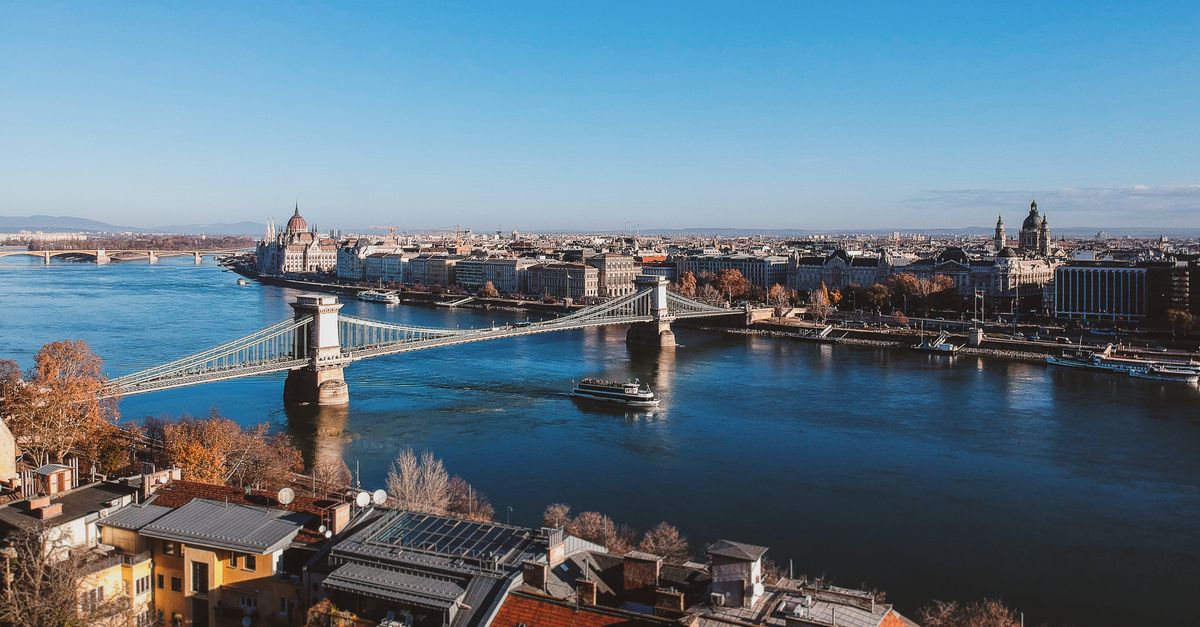
Budapest in winter is something special. The steam rising off outdoor thermal pools into the freezing air, the smell of roasted chimney cakes, and the warm glow of ruin bars make it a fantastic winter break. But if you are planning a trip, you probably want to know: is Budapest cheap?
The short answer is yes, but with a massive asterisk. Budapest is cheap for locals, and it can be incredibly cheap for you too. However, because Hungary uses the Hungarian Forint (HUF) rather than the Euro, it is very easy for tourists to lose track of what things should actually cost. I built TruePrice to solve exactly this problem. Let us look at what you should actually be paying versus the inflated prices designed to separate travelers from their money.
Why does Budapest have such a wide price gap?
Hungary has experienced significant inflation over the last couple of years. While locals have adjusted, many businesses in tourist-heavy areas like District V (Belváros) or the Castle District have jetted up their prices to match Western European standards.
This has created a dual economy. If you walk into a traditional restaurant three blocks away from the main tourist strip, you might pay 1,800 HUF (about 4.50 EUR) for a massive, authentic bowl of goulash. If you sit down on Váci Street, that exact same style of soup will cost you 4,500 HUF (over 11 EUR) and come with a mandatory 15% service charge. It is not that Budapest has become expensive: it is that the tourist traps have become bolder.
What is the real cost of thermal baths in winter?
You cannot visit Budapest in winter without soaking in a thermal bath. It is the ultimate cold-weather activity. But the price difference between the famous baths and the local favorites is staggering.
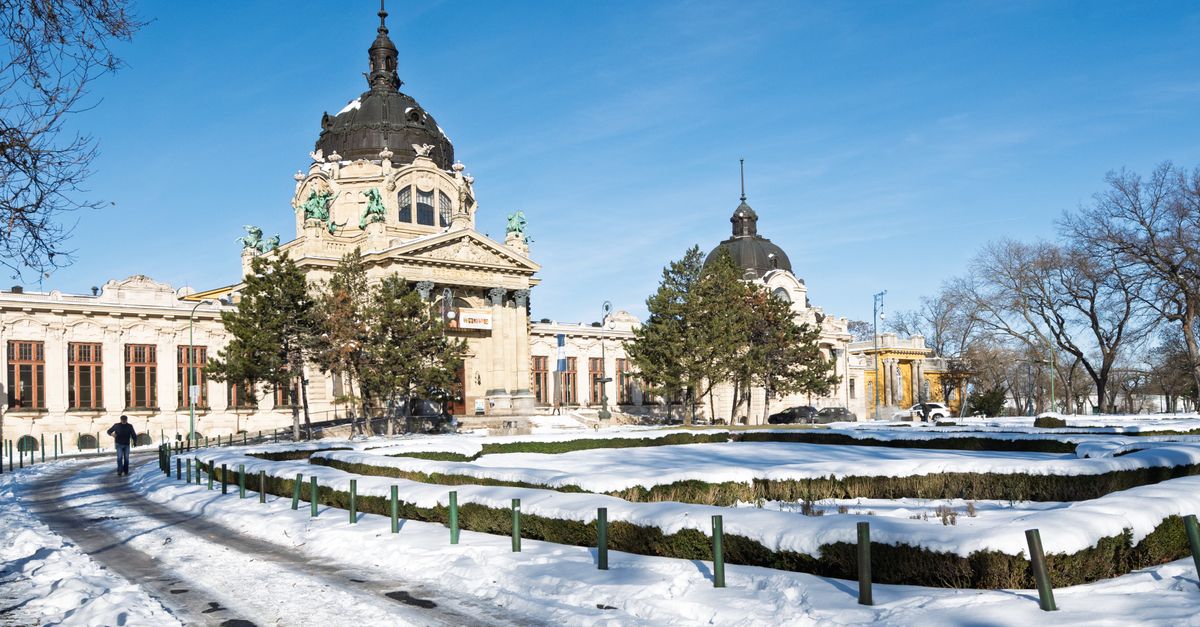
Széchenyi and Gellért are the two most famous baths. They are beautiful, but they now charge upwards of 10,500 HUF (around 27 EUR) for a weekend day ticket.
If you want the same hot thermal water without the massive crowds and high prices, look at Lukács Baths. A weekday ticket there costs about 4,800 HUF (12 EUR). Another great option is the historic Rudas Baths, which offers a rooftop hot tub overlooking the Danube. While Rudas is pricier than Lukács, it still feels more authentic than the crowded tourist hubs.
How much should you pay for food and ruin bars?
Ruin bars are Budapest’s signature nightlife spots: abandoned buildings turned into eclectic, art-filled bars. Szimpla Kert is the most famous, and while it is worth a walk through to see the decor, the drink prices are heavily marked up.
A local draft beer (like Soproni or Dreher) should cost around 900 to 1,100 HUF (2.30 to 2.80 EUR) in a standard pub. In a tourist-heavy ruin bar, you will easily pay 1,800 HUF (4.60 EUR) or more for the same pour.
For food, step away from the Jewish Quarter’s main party streets when you want to eat. Look for a “napi menü” (daily menu) at lunchtime. Many local Hungarian restaurants offer a two-course lunch menu for around 2,200 to 2,800 HUF (5.50 to 7 EUR). This is the best-kept secret for keeping your Budapest food budget incredibly low.
What are the typical prices for a winter trip to Budapest?
To help you budget, here is a quick breakdown of what you can expect to pay for typical holiday expenses.
| Item | Fair local price (HUF) | Tourist trap price (HUF) | How to get the fair price |
|---|---|---|---|
| Goulash soup | 1,800 HUF | 4,500 HUF | Eat at traditional “étkezde” diners |
| Pint of local beer | 900 HUF | 1,900 HUF | Avoid Váci Street and Szimpla Kert |
| Chimney cake (Kürtőskalács) | 600 HUF | 2,500 HUF | Buy from metro station stalls, not markets |
| Thermal bath entry | 4,800 HUF | 10,500 HUF | Go to Lukács or Dandár baths |
| 5km taxi ride | 3,000 HUF | 8,000 HUF | Only use the Bolt app, never hail on the street |
How do you avoid getting ripped off by Budapest taxis?
Budapest taxi drivers have a reputation, and unfortunately, it is often justified. Unregulated “freelance” taxis park outside tourist hotspots, train stations, and hotels. They will happily charge you triple the legal rate, often using rigged meters or simply demanding a flat cash fee.
The rule here is simple: never hail a taxi on the street and never get into a car that does not have a clear company logo on the door (like Főtaxi or City Taxi).
The safest and cheapest way to get around is to use the Bolt app. It works exactly like Uber. You get a guaranteed price before you step into the car, and you can pay via the app. A standard ride within the city center should rarely exceed 3,000 to 4,000 HUF (7.50 to 10 EUR). From the airport to the city center, the official Főtaxi booth outside the terminal will charge you around 11,000 to 13,000 HUF (28 to 33 EUR). Do not accept rides from people offering taxis inside the arrivals terminal.
Are Budapest Christmas markets actually cheap?
If you visit Budapest in late November or December, you will run into the famous Christmas markets at Vörösmarty Square and the St. Stephen’s Basilica. They are incredibly festive, but they are not cheap.
Food prices at these markets have skyrocketed. A single sausage with bread can cost up to 8,000 HUF (20 EUR), which is an absolute fortune in Hungary. A cup of mulled wine is usually around 1,500 to 2,000 HUF (4 to 5 EUR).
If you want the Christmas market atmosphere without the eye-watering prices, take the public tram out to the Óbuda Christmas Market (Fő tér). It is a suburban market where actual locals go. The food is authentic, the crowds are non-existent, and the prices are roughly half of what you will find in the city center.
Is public transport in Budapest cheap?
Budapest has one of the best and most affordable public transit networks in Europe. The metro, trams, and buses are highly efficient. A single ticket costs 450 HUF (about 1.15 EUR), but if you are staying for a weekend, buying a 72-hour travel card for 5,500 HUF (14 EUR) is a no-brainer.
It gives you unlimited rides on everything, including the scenic Tram 2, which runs along the Danube and offers views of the Parliament building for the price of a standard ticket. Avoid the expensive hop-on-hop-off tourist buses, which cost upwards of 12,000 HUF (30 EUR) and offer nothing you cannot see on your own using local trams.
Budapest is still an incredible bargain for a winter city break, provided you do not fall for the easy traps. By eating where locals eat, using ride-hailing apps, and choosing lesser-known thermal baths, you can have an amazing trip for a fraction of the cost of Vienna or Prague.
To make sure you always know if you are paying the local rate or the tourist markup, download TruePrice for free at https://truepriceapp.com. It is the easiest way to keep your winter budget on track.



Frequently asked questions
Is Budapest cheaper than Prague for a winter trip?
Yes, Budapest is generally 15% to 20% cheaper than Prague for food, drinks, and accommodation. However, both cities have tourist areas where prices are artificially inflated, so staying off the main tourist streets is key.
What is the cheapest way to get from Budapest Airport to the city center?
The 100E direct airport express bus is the cheapest option, costing 2,200 HUF (about 5.60 EUR) per person. It runs every 10 to 15 minutes and takes you straight to Deák Ferenc Square in the city center.
How much cash should I carry in Budapest?
Very little. Budapest is almost entirely cashless, and you can pay with a card or phone in 99% of shops, bars, and restaurants. Keep just 5,000 HUF in cash for small market stalls or public toilets.
Can I drink tap water in Budapest?
Yes, tap water in Budapest is perfectly safe to drink and of high quality. Avoid buying bottled water at convenience stores, which often charge tourists inflated prices.
Are museum tickets expensive in Budapest?
No, most major museums like the Hungarian National Museum or the Fine Arts Museum cost between 3,200 and 4,800 HUF (8 to 12 EUR) for an adult ticket, which is very reasonable compared to Western Europe.
Check fair prices anywhere
TruePrice is free on the App Store and Google Play.