Price guide
How much is a coffee in rome? The local price guide
A standard espresso at a Roman bar costs €1.10 to €1.30 if you drink it standing up. If you sit down at a table, especially in tourist areas, that exact same coffee can cost anywhere from €3.00 to €6.00 due to service charges.
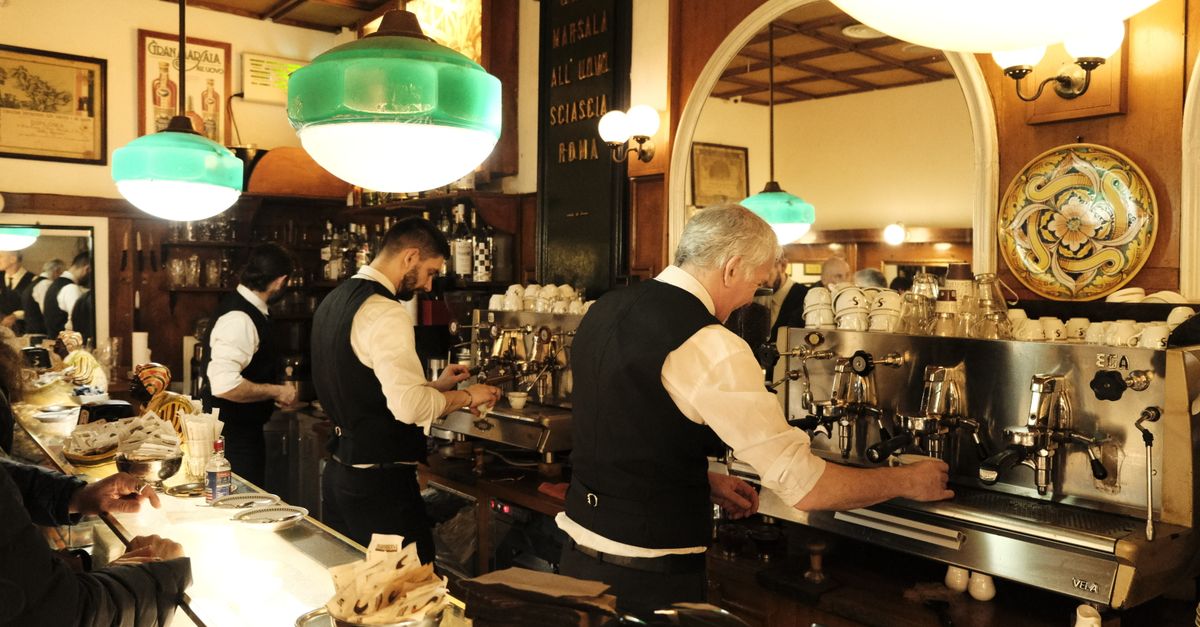
You walk into a Roman bar, hear the rhythmic clattering of porcelain, smell the deep aroma of dark roast, and order “un caffè”. If you stand at the bar counter, you might hand over a single coin and get change back. If you sit down at a table outside on the piazza, that exact same cup of coffee can cost as much as a light lunch.
Understanding how much a coffee costs in Rome is not just about saving a few euros. It is your introduction to the unspoken rules of Italian daily life. I track these local prices constantly for TruePrice to make sure travelers do not get caught in classic tourist traps, and the coffee markup is one of the most common surprises.
Here is everything you need to know about navigating Rome’s coffee culture without paying tourist-trap premiums.
What is the fair price of a coffee in Rome?
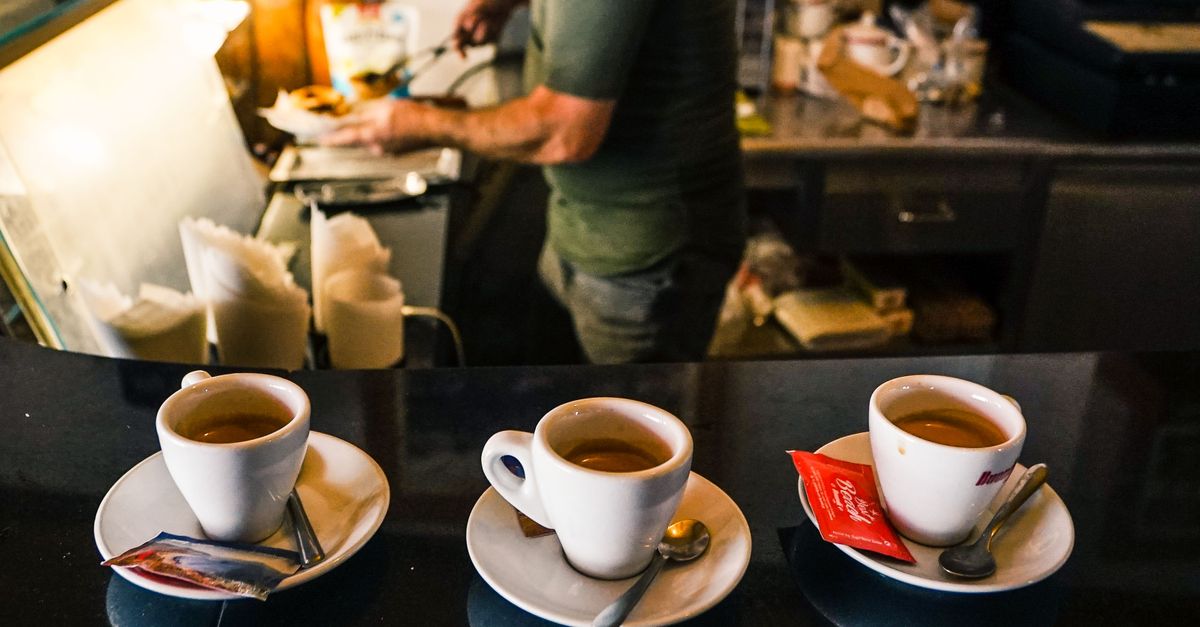
If you want to drink coffee like a Roman, you need to know the baseline prices. For a standard espresso (simply called un caffè), the fair price at a local bar counter is between €1.10 and €1.30.
If you prefer milk, a cappuccino should cost between €1.40 and €1.70 at the counter. A macchiato (espresso with a dash of frothed milk) usually costs about €1.20 to €1.40.
These prices apply to about 90% of the normal, neighborhood bars across Rome. If you find yourself in residential areas like Testaccio, Garbatella, or Prati, you will almost never pay more than €1.20 for an espresso at the bar.
The golden rule of Italian coffee: standing vs. sitting
The single biggest factor in your coffee bill is your posture. In Italy, there is a strict distinction between al banco (at the bar) and al tavolo (at the table).
Al banco is a fast, democratic experience. You stand at the counter, drink your espresso in three quick sips, chat with the barista, and leave. Because this is considered a basic daily necessity, the prices are kept low.
Al tavolo is a leisure activity. The moment you sit down, you are renting the table, the chair, the view, and the waiter’s time. The price of your coffee will instantly double, triple, or even quadruple. A €1.20 espresso at the counter easily becomes a €4.00 espresso the moment your seat hits the chair.
Rome coffee price comparison
To help you budget, here is a breakdown of what you should expect to pay for different types of coffee in Rome, comparing the standing price with the seated price at a typical mid-range cafe.
| Coffee Type | Standing Price (Al Banco) | Seated Price (Al Tavolo) | What to Expect |
|---|---|---|---|
| Espresso (Caffè) | €1.10 - €1.30 | €3.00 - €4.50 | The standard. Rich, strong, and served in a warm ceramic cup. |
| Cappuccino | €1.40 - €1.70 | €4.00 - €6.00 | Espresso with steamed milk. Locals only order this before 11:00 AM. |
| Caffè Macchiato | €1.20 - €1.40 | €3.00 - €4.50 | An espresso stained with a tiny drop of hot milk. |
| Caffè Americano | €1.50 - €1.80 | €3.50 - €5.00 | Espresso diluted with hot water, served in a larger cup. |
| Caffè Shakerato | €2.50 - €3.50 | €5.00 - €7.00 | Espresso shaken with ice and sugar syrup. Perfect for hot summer days. |
Tourist traps and the law on posted prices
If you sit down at a cafe directly facing the Pantheon, the Colosseum, or Piazza Navona, you are entering the danger zone. It is not uncommon for unsuspecting tourists to be handed a bill for €8.00 or €10.00 for a single cappuccino.
Fortunately, Italian law is on your side. Every bar and cafe is legally required to display a listino prezzi (price list) somewhere clearly visible to the public. This list must show both the banco and tavolo prices.
Before you sit down, look for this menu. It is often printed on a framed piece of paper behind the bar or near the cash register. If a cafe does not have its prices clearly posted, or if the waiter refuses to show you a menu with printed prices before you order, walk away. They are hoping you will order blindly so they can apply a “tourist tax” to your bill.
Famous Roman cafes where the premium is worth it
There are a few historic institutions in Rome where you might want to pay a little extra just for the experience. Even at these famous spots, the standing rule still applies. If you stand at the counter, the prices remain surprisingly reasonable.
- La Casa del Caffè Tazza d’Oro: Located right next to the Pantheon, this legendary roaster serves an incredibly rich espresso. Standing at the bar will only cost you about €1.30. Do not miss their famous granita di caffè con panna (iced coffee slushy with fresh whipped cream) for around €3.50.
- Sant’Eustachio il Caffè: Known for its secret, ultra-creamy espresso preparation. A standing espresso here is around €1.50. If you sit outside on the piazza, expect to pay around €5.00.
- Sciascia Caffè 1919: Located in the elegant Prati neighborhood, this historic shop is famous for its caffè con cioccolato (espresso served in a cup coated with dark chocolate) for about €2.20 at the bar.
How to order coffee in Rome like a local
To avoid looking like a confused tourist and to ensure you get the local price, follow this simple three-step ritual:
- Pay first: Find the cash register (cassa) before you go to the bar. Tell the cashier what you want (e.g., “Un caffè e un cornetto, per favore”) and pay. They will hand you a paper receipt (scontrino).
- Go to the bar: Take your receipt over to the bar counter. Place it down in front of the barista.
- The coin trick: It is a common local habit to leave a small coin (like 10 or 20 cents) on top of the receipt as a tiny tip. It is not mandatory, but it gets the barista’s attention and shows you know the local customs. State your order clearly, and your coffee will appear in moments.
Remember, if you want a simple black coffee, do not ask for a “latte” unless you want a glass of plain cold milk. Ask for “un caffè” for an espresso, or “un caffè Americano” if you want something closer to drip coffee.
I built TruePrice to help you spot these subtle differences and avoid getting ripped off while exploring the world. To keep fair local prices for coffee, meals, and transport right in your pocket while you explore Italy, download TruePrice free: https://truepriceapp.com



Frequently asked questions
Why is coffee so much cheaper when standing up in Rome?
Italian culture views standing at the bar as a quick, essential daily ritual, so prices are kept low and are often regulated. Sitting down occupies real estate and requires table service, which incurs a significant premium.
Can I sit down with a coffee I bought at the bar counter?
No, you cannot. If you pay the lower counter price, you must drink your coffee standing at the bar. Sitting down at a table requires you to pay the table service price.
Is a service charge or coperto included in the seated coffee price?
Yes, the menu price for sitting down usually includes the service fee, but some tourist-heavy cafes might add an extra cover charge (coperto) on top of the inflated drink prices. Always check the menu first.
What is the legal rule for price lists in Italian cafes?
By law, all Italian bars must display a printed price list (listino prezzi) showing both the standing (al banco) and seated (al tavolo) prices. It is usually posted behind the bar or near the cash register.
Should I tip the barista in Rome?
Tipping is not expected. However, it is a nice local gesture to leave a 10 or 20-cent coin on top of your receipt when placing your order at the bar counter.
Check fair prices anywhere
TruePrice is free on the App Store and Google Play.