Price guide
How much does a trip to the Maldives cost? A realistic budget guide
A trip to the Maldives can cost anywhere from $120 per day for a local island guesthouse stay using public ferries, to over $1,500 per day for a private overwater resort experience with seaplane transfers. Your final bill depends heavily on how you handle transit, taxes, and dining.
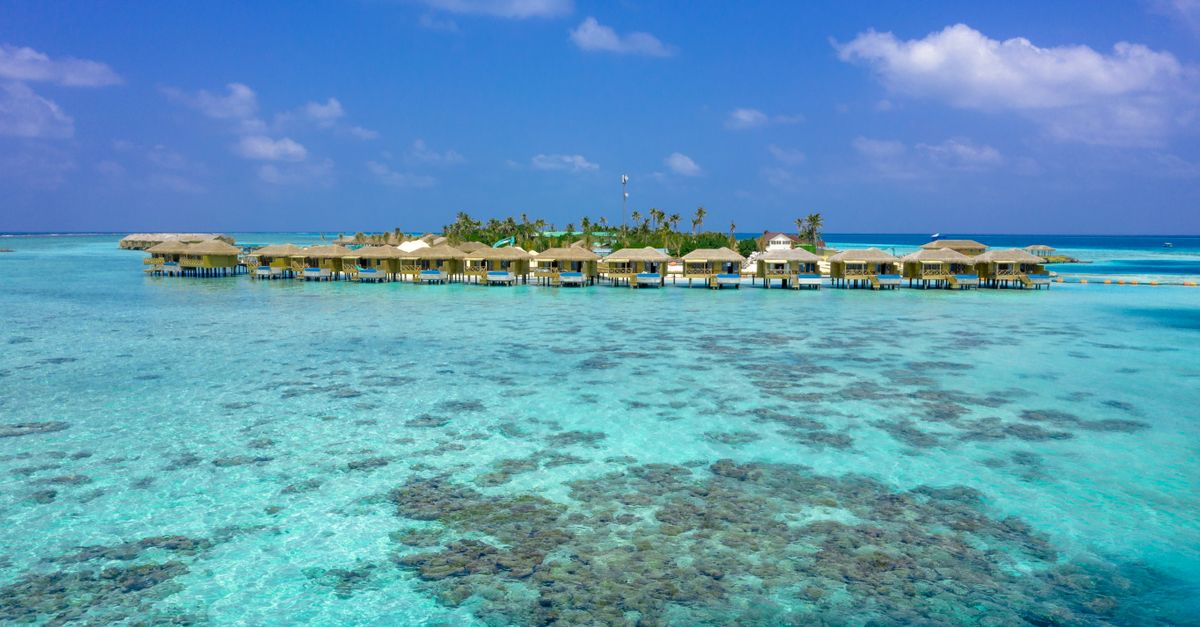
The Maldives has one of the best marketing machines on earth. Every postcard shows the same thing: an overwater villa, neon-blue water, and a couple drinking champagne on a private sandbank. This makes most people assume you need a trust fund or a lottery win to step foot in the country.
The reality is more interesting. The Maldives operates a dual-track tourism system. You can spend $15,000 on a luxury private island, or you can spend $1,200 for a week on a local inhabited island. I track tourist prices for a living, and I want to break down exactly where your money goes so you can plan a trip that fits your actual bank account.
What is the baseline cost of a Maldives vacation?
Let’s look at the numbers. If you are planning a one-week trip for two people, your expenses will fall into one of three distinct tiers: budget, mid-range, or luxury.
Here is how those costs actually break down across the major spending categories:
| Expense Category | Budget (Local Island) | Mid-Range (Affordable Resort) | Luxury (High-End Resort) |
|---|---|---|---|
| Double Room (per night) | $60 - $120 | $350 - $600 | $1,200 - $3,000+ |
| Return Transfer (per person) | $5 (ferry) - $50 (speedboat) | $250 - $450 (speedboat/seaplane) | $500 - $900 (private seaplane/yacht) |
| Main Meal (per person) | $8 - $15 | $35 - $60 | $90 - $250+ |
| Soda / Soft Drink | $1.50 | $5 | $10 |
| Beer / Cocktail | N/A (dry island) | $10 - $18 | $18 - $30+ |
| Snorkeling Excursion | $25 - $40 | $80 - $150 | $200 - $450 |
How do local islands compare to private resorts?
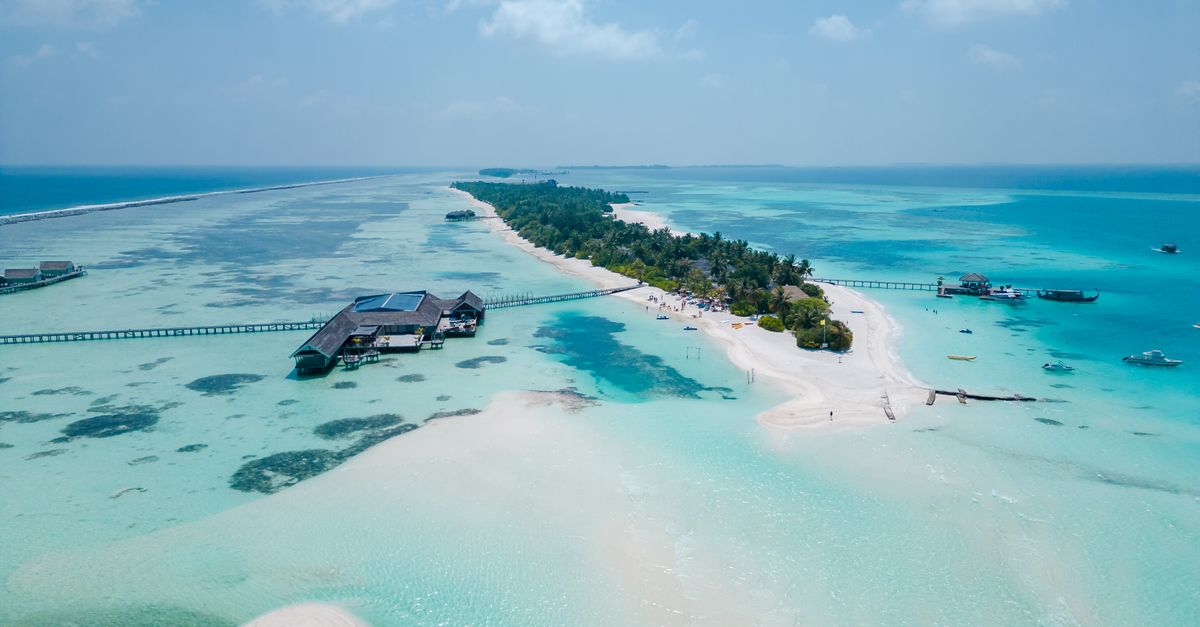
Until 2009, tourists were only allowed to stay on uninhabited resort islands. That changed when the government permitted guesthouses on local, inhabited islands. This opened the Maldives to budget-conscious travelers.
On a local island like Maafushi, Dhigurah, or Thulusdhoo, you will stay in a clean, modern guesthouse or a small boutique hotel. You will walk past local schools, buy fresh fruit from corner shops, and eat at local cafes. A double room here costs $60 to $150 per night. It is a culturally rich experience, but you must respect local customs, which means no alcohol and wearing modest clothing outside designated “bikini beaches.”
On a private resort island, the resort owns the entire island. There are no locals except the staff. You get the classic overwater bungalow, manicured beaches, and multiple restaurants. A basic beach villa starts around $350 per night, while overwater villas usually start at $600 and quickly climb past $2,000 per night during the dry high season, which runs from December to April.
Why do transit costs catch travelers off guard?
This is the biggest budget killer. Male International Airport is on its own island. To get to your bed, you must take a boat or a plane.
Private resorts are usually accessed via seaplane or private speedboat. If your resort is far away, a seaplane is mandatory. These flights are operated by Trans Maldivian Airways, and the resort handles the booking. They cost between $400 and $650 per person for a round trip. For a family of four, you are spending $2,000 before you even check in.
If you stay on a local island, you have options. Local speedboats run scheduled routes daily for $30 to $80 per person. If you are on a strict budget, the public MTCC ferries cost just $2 to $5 per trip, though they are slow and do not run every day.
What are the hidden taxes and fees?
When you search for hotels online, the first price you see is never the price you pay. The Maldives applies heavy taxes to tourism:
- TGST (Tourism Goods and Services Tax): Currently 16%.
- Service Charge: Almost every tourist establishment adds a mandatory 10% service charge.
- Green Tax: $6 per person per night at resorts, or $3 per person per night at local guesthouses.
This means you need to add roughly 27% to any resort quote for food, rooms, or activities. A $500 resort room actually costs $635 per night. Always check the fine print to see if taxes are included.
How much should you budget for food and drinks?
On local islands, food is affordable. A meal at a local cafe costs $5 to $10. A nice dinner at a tourist-facing restaurant on Maafushi runs about $15 to $25.
On private resorts, you are a captive audience. There is no competing restaurant down the street. A basic burger at a resort pool bar easily costs $30 plus tax. A buffet dinner can range from $80 to $150 per person.
Alcohol is another major differentiator. The Maldives is an Islamic nation. Alcohol is strictly illegal on local inhabited islands. You cannot buy a beer at a local shop, and you cannot bring it into the country. If you want a drink, you must stay at a resort, where a single beer costs $10 to $15, and a cocktail costs $18 to $25. Some local islands have “floating bar” boats parked offshore where you can buy alcohol, but prices are high.
How to avoid the classic Maldives pricing traps
The biggest trap is choosing “half-board” or “full-board” dining packages without doing the math. Half-board usually includes breakfast and dinner, but excludes drinks: even water, sometimes. If you plan to drink water, soda, or cocktails all day, you might end up with a massive bill anyway. If you plan to drink alcohol, look closely at all-inclusive packages. They are often cheaper than paying a la carte, provided you plan to have more than three drinks a day.
Another trap is resort excursions. A snorkeling trip booked through a resort might cost $150 per person. The exact same reef can often be visited from a nearby local island for $30 per person.
I built TruePrice to stop this kind of sticker shock. The app helps you see what locals and seasoned travelers actually pay for everyday items, transport, and food, so you do not get taken for a ride. Download TruePrice free today to plan your budget with confidence: https://truepriceapp.com



Frequently asked questions
What is the cheapest month to visit the Maldives?
The cheapest time to visit is during the wet monsoon season, from May to October. While you will experience some rain, room rates at luxury resorts often drop by 50% or more compared to the winter peak.
Can you buy alcohol on local Maldives islands?
No, alcohol is strictly banned on all inhabited local islands due to national laws. If you want a drink, you must stay on a private resort island or visit a licensed offshore safari boat.
How much cash should I bring to the Maldives?
If you stay at a resort, you can pay for everything by card, so you only need a small amount of cash for tips. For local islands, bring around $200 to $300 in crisp, undamaged US Dollar bills, as local guesthouses and shops prefer USD cash over cards.
Is an all-inclusive package worth it in the Maldives?
It is usually worth it if you plan to drink alcohol or want stress-free dining without worrying about a $300 dinner bill. However, if you do not drink alcohol, a half-board package (breakfast and dinner) is often a much better value.
Do I need to tip in the Maldives?
A 10% service charge is automatically added to almost all restaurant bills, hotel rooms, and activities. Extra tipping is not mandatory, but leaving $2 to $5 a day for your room cleaner or bag carrier is highly appreciated by local staff.
Check fair prices anywhere
TruePrice is free on the App Store and Google Play.