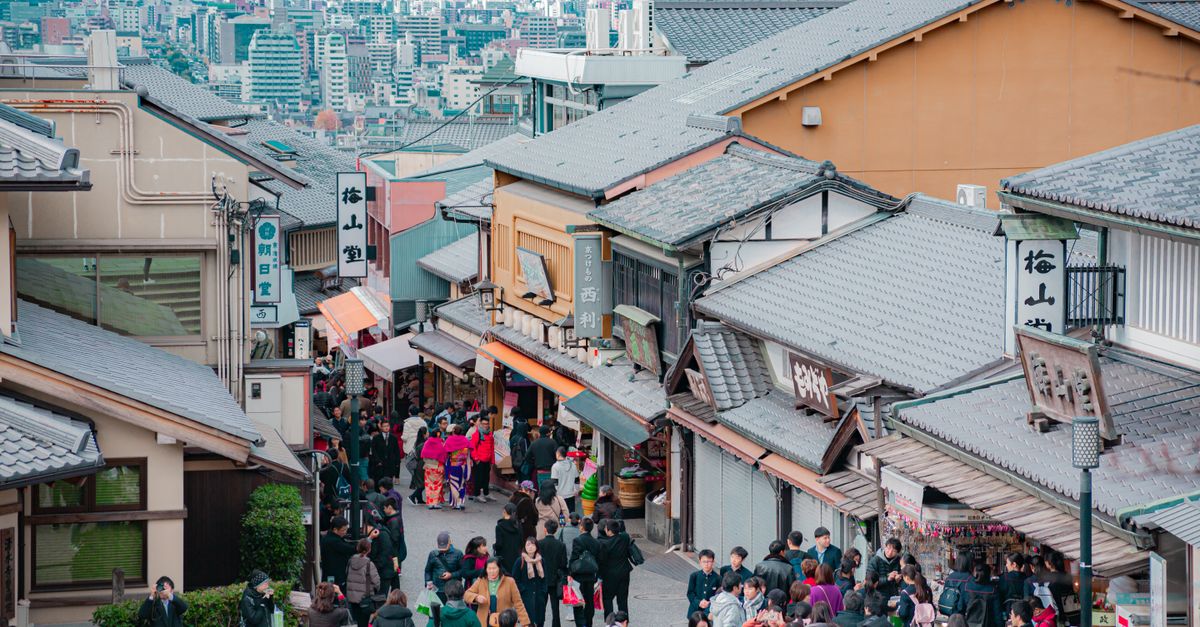
Travel tips
How much does a trip to Japan cost?
A typical 10-day trip to Japan costs between $1,500 and $3,000 per person, excluding flights. Budget travelers can easily get by on $80 to $120 per day, while a comfortable mid-range experience runs about $180 to $250 per day, thanks to a historically weak Yen.
For decades, Japan carried a reputation as an impossibly expensive destination. We grew up hearing tales of $20 melons, eye-watering taxi fares, and tiny hotel rooms that cost a week’s rent.
But the reality on the ground today is entirely different. Thanks to the historic depreciation of the Japanese Yen, Japan is currently one of the highest-value destinations in the developed world. If you are coming from the US, Europe, or the UK, you will find that your money goes incredibly far.
I track fair local prices for a living, and I built TruePrice to help travelers avoid getting ripped off. Let’s break down exactly what a trip to Japan will cost you, from flights and bullet trains to convenience store snacks and upscale sushi.
The core pillars of your Japan travel budget
Your total expenses will largely be determined by three main categories: how you get there, where you sleep, and how you move between cities.
Flights to Japan
Flights will likely be your single largest upfront expense. Prices vary wildly depending on when you fly. High season (cherry blossom season in late March to April, and autumn colors in November) sees the highest premiums.
- Budget/Economy: $800 - $1,300 (standard round-trip from the US West Coast or Europe)
- Peak Season Economy: $1,400 - $2,000
To find the best deals, look at flying into Haneda or Narita in Tokyo, but do not rule out Kansai International Airport near Osaka, which often has competitive rates from budget carriers.
Accommodation costs
Japanese hotels are clean, safe, and incredibly efficient, but rooms are notoriously small. If you just need a clean place to sleep, you can keep your accommodation budget very low.
- Hostels and capsule hotels: $25 - $50 per night. Capsule hotels are a unique experience, but best suited for short stays of one or two nights.
- Business hotels (e.g., APA Hotel, Toyoko Inn): $70 - $120 per night. These are the sweet spot for budget-conscious travelers. They are compact but offer private bathrooms, excellent Wi-Fi, and prime locations near major train stations.
- Mid-range western hotels: $150 - $280 per night. Larger rooms, English-speaking staff, and more amenities.
- Traditional Ryokan (with half-board meals): $250 - $600+ per night. This is a splurge experience. It typically includes a multi-course kaiseki dinner and breakfast, which justifies the high price tag.
The great JR Pass math problem
For years, buying a Japan Rail (JR) Pass was a no-brainer. You paid one flat fee and got unlimited rides on the famous Shinkansen (bullet trains).
That changed dramatically in October 2023, when JR Group raised prices by roughly 65%. Today, the national JR Pass is almost never worth it for a standard tourist itinerary.
For example, a 7-day national JR Pass now costs 50,000 JPY (about $330 USD). If you only travel from Tokyo to Kyoto and back, individual tickets will cost you roughly 29,000 JPY ($190 USD). Buying the pass in this scenario would mean burning $140 for no reason.
Unless you are traveling massive distances in a very short window (e.g., Tokyo to Hiroshima to Hokkaido in one week), you should skip the national pass. Instead, buy individual Shinkansen tickets as you go, or look into cheaper regional passes like the JR Kansai Area Pass.
For local travel within cities like Tokyo and Osaka, simply load money onto a digital transit card (Suica or Pasmo) on your phone. Expect to spend about $5 to $8 per day on local subway rides.
Food prices: eating like a local vs the tourist traps
Food in Japan is remarkably cheap and incredibly high quality. You do not need to spend a fortune to eat some of the best meals of your life. In fact, some of the most iconic Japanese dishes are designed to be fast, cheap, and accessible to working-class locals.
However, tourist-heavy areas are packed with overpriced, mediocre restaurants. Avoid places with aggressive English-speaking touts outside, particularly in areas like Dotonbori in Osaka or Kabukicho in Tokyo. Look for small, basement-level or upper-floor eateries where locals are queuing.
Here is a comparison of what you should expect to pay for common food and drink items:
| Item | Fair local price | Tourist-trap price | How to spot the difference |
|---|---|---|---|
| Bowl of Tonkotsu Ramen | 800 - 1,100 JPY ($5 - $7) | 1,800 - 2,500 JPY ($12 - $17) | Local shops use ticket vending machines; traps have English-only glossy menus with massive markups. |
| Convenience Store Lunch | 400 - 700 JPY ($3 - $5) | N/A | 7-Eleven, Lawson, and FamilyMart offer incredibly fresh, cheap meals. You cannot go wrong here. |
| Casual Sushi Lunch Set | 1,200 - 1,800 JPY ($8 - $12) | 4,000 - 6,000 JPY ($27 - $40) | Walk away from “all-you-can-eat” spots near major tourist hubs. Find local conveyor-belt (kaitenzushi) chains like Kura Sushi or Sushiro. |
| Matcha Latte | 400 - 550 JPY ($2.70 - $3.70) | 900 - 1,200 JPY ($6 - $8) | Avoid trendy Instagram-famous cafes in Harajuku. Traditional tea shops or local chains offer better quality for half the price. |
| Draft Beer (Nama-biiru) | 450 - 600 JPY ($3 - $4) | 900 - 1,200 JPY ($6 - $8) | Local izakayas (pubs) charge fair prices. Watch out for “seat charges” (Otoshi) in tourist districts which can add $5 per person to your bill. |
Sightseeing and activities
Many of the best things to do in Japan are completely free or cost very little. Most temples and shrines in Kyoto are either free or cost a nominal entry fee of 300 to 600 JPY ($2 to $4).
Major paid attractions do require planning and budgeting, but they are still reasonable compared to western theme parks:
- Shibuya Sky Observation Deck: ~2,200 JPY ($15)
- teamLab Planets Tokyo: ~3,800 JPY ($25)
- Universal Studios Japan (Osaka): ~8,600 JPY ($58)
- Tokyo Disney Resort: ~7,900 - 10,900 JPY ($53 - $73)
If you are on a tight budget, swap paid observation decks for the Tokyo Metropolitan Government Building in Shinjuku, which offers panoramic views of the city from the 45th floor completely free of charge.
The daily breakdown: three budget tiers
To give you a realistic picture of your daily spend (excluding your international flights), here is what you can expect to spend per day based on your travel style.
The budget backpacker ($70 - $100 per day)
- Lodging: Hostel dorm bed or capsule hotel ($30)
- Food: Convenience store breakfast, a quick bowl of beef-bowl (gyudon) or ramen for lunch, and a casual supermarket meal for dinner ($25)
- Transit: Local subway rides only ($6)
- Activities: Free temples, parks, and walking tours ($10)
- Drinks/Snacks: A vending machine coffee and one convenience store beer ($5)
The comfortable explorer ($150 - $230 per day)
- Lodging: Private double room in a clean, modern business hotel ($90, or $45 per person if sharing)
- Food: Cafe breakfast, a nice lunch set at a local restaurant, and an evening meal at an izakaya with a drink ($50)
- Transit: Local subways plus a portion of your intercity train travel ($25)
- Activities: One major paid attraction per day plus temple entry fees ($25)
- Drinks/Snacks: Matchas, street food snacks, and a couple of drinks ($15)
The premium traveler ($350 - $600+ per day)
- Lodging: 4-star western hotel or boutique ryokan ($250 - $400)
- Food: High-end dining, including multi-course kaiseki or an omakase sushi dinner ($120 - $200)
- Transit: Shinkansen green car (first class) and occasional taxi rides ($50)
- Activities: Private guided tours, premium museum entries, and hands-on workshops ($60)
How to keep your costs down on the ground
If you want to maximize your budget, keep these three golden rules in mind:
First, embrace the “conbini” lifestyle. Japanese convenience stores like 7-Eleven, FamilyMart, and Lawson are not like the ones back home. The food is fresh, incredibly delicious, and strictly regulated. You can easily eat breakfast and lunch there for under $8 combined, leaving you more money to splurge on dinner.
Second, travel during the shoulder seasons. The weeks immediately following the New Year holiday, or the transition period between autumn and winter (early December), offer much cheaper hotel rates and fewer crowds.
Third, do not tip. Tipping is not part of Japanese culture, and leaving extra cash on the table will only cause confusion. The price on the menu is what you pay, which saves you an instant 15% to 20% compared to dining out in North America.
To make sure you are always paying the local rate instead of the tourist markup while you travel, download the TruePrice app for free before you land: https://truepriceapp.com
Frequently asked questions
Is Japan expensive to visit right now?
Actually, no. Due to the historically weak Japanese Yen, Japan is currently one of the most budget-friendly developed countries to visit, with local food and accommodation costing significantly less than in the US or Western Europe.
Is the JR Pass still worth buying?
For most travelers, no. Following a massive 65% price hike in late 2023, the national JR Pass rarely saves you money unless you are constantly moving on the bullet train every single day. Buying individual tickets or regional passes is usually much cheaper.
How much should I budget for food per day in Tokyo?
You can eat incredibly well for $30 to $50 a day. A filling bowl of local ramen costs around $6 to $8, convenience store meals are $3 to $5, and a high-quality lunch set at a local restaurant runs about $10.
Do I need cash in Japan, or can I use my credit card?
While credit cards are widely accepted in major cities, Japan is still surprisingly cash-reliant. Small noodle shops, temple entrance fees, and public transit card top-ups often require physical Yen coins and bills.
What is a realistic total cost for a 2-week trip to Japan?
Excluding international flights, a couple can expect to spend around $3,500 to $5,000 in total for a comfortable, mid-range two-week trip covering Tokyo, Kyoto, and Osaka.