Travel tips
Tipping in Italy: the honest guide to when and how much to tip
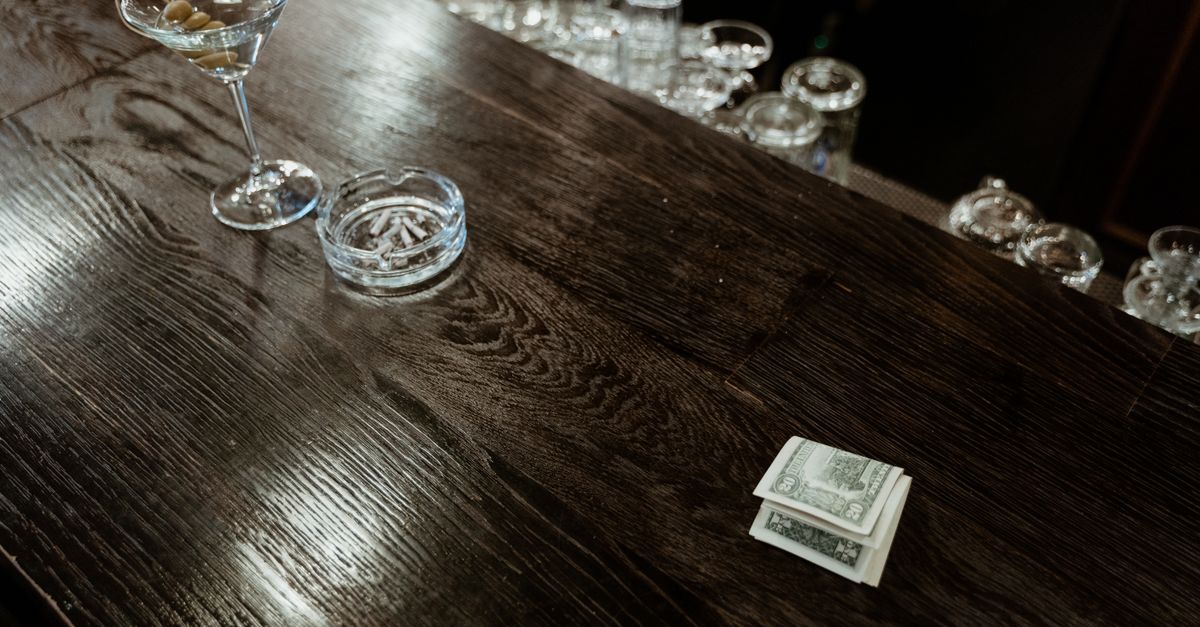
Tipping is not expected or mandatory in Italy because service workers receive fair wages. For great service at restaurants, simply round up the bill or leave a few euros, but never feel pressured to leave a standard percentage tip.
If you have ever sat at a sun-drenched piazza in Rome, finished a gorgeous plate of cacio e pepe, and then stared at the bill in absolute confusion, you are not alone. Tipping in Italy is one of the most misunderstood parts of Italian travel. Many visitors apply their home country rules, usually leaving an extra 15% to 20% on the table.
I built TruePrice to solve exactly this kind of real-world travel friction. When you do not know the local customs, you end up overpaying, which distorts the local economy and makes you a target for opportunistic service charges. Let me clear up the confusion once and for all. Here is how tipping actually works in Italy, from the grand cafes of Venice to the family-run trattorias of Sicily.
What is the coperto and why is it on your bill?
Before you even think about leaving a tip, you need to understand the word coperto. If you look at your receipt, you will almost always see a line item called pane e coperto (bread and cover charge). This is a flat fee, usually between 1.50 and 3.00 euros per person, charged simply for sitting down at a table. It covers the cost of the tablecloth, the cutlery, the water glasses, and the basket of bread placed on your table.
This is not a tip. The money goes directly to the restaurant owner to offset operational costs, not to your waiter.
Historically, the coperto dates back to the Middle Ages when travelers would stop at inns but bring their own food to save money. Innkeepers started charging a “cover” fee for the use of the space and utensils. Today, it is fully legal in almost all of Italy, with one major exception: the Lazio region, which includes Rome. In Rome, charging a coperto is technically illegal, but restaurants get around this by charging a separate fee for bread (pane).
You might also see servizio (service charge) on your bill, especially in highly touristed areas like Florence or the Amalfi Coast. This is typically 10% to 15% of the total bill. If servizio is listed, it means the tip is legally and physically built into the price. You should absolutely not leave a single euro extra.
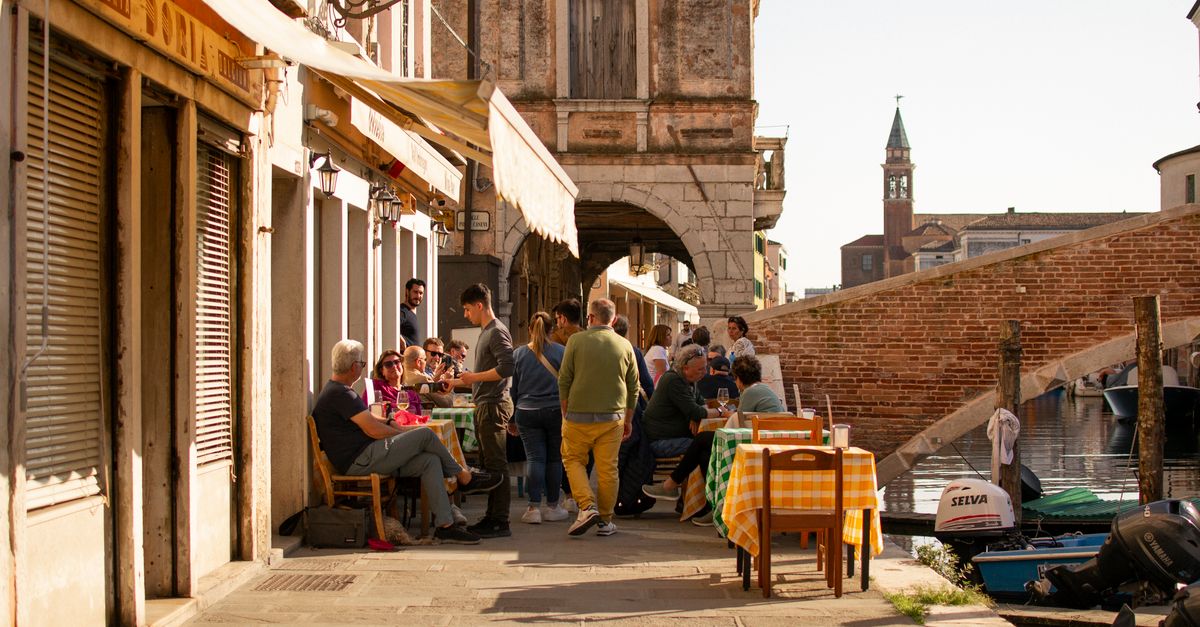
How to tip at Italian restaurants without overpaying
Italian waiters are professionals. They receive a set salary, paid time off, health benefits, and pensions. They do not rely on tips to survive like restaurant staff do in North America. Therefore, tipping is never mandatory, and locals rarely do it for standard everyday meals.
If you receive exceptional service at a sit-down restaurant, leaving a small token of appreciation is polite, but it should be kept in proportion.
For a casual lunch or dinner where the service was friendly and efficient, rounding up to the nearest 5 or 10 euros is the standard way to show appreciation. If your bill is 46 euros, leaving 50 euros and telling the waiter to keep the change is a generous gesture. For a high-end dining experience where the sommelier and waitstaff went above and beyond, a tip of 5% to 10% is considered incredibly generous. Never leave 15% or 20%. Doing so marks you immediately as a tourist who did not do their homework.
Be aware of a common tourist trap: some restaurants in heavy tourist zones print “Tip not included” or “Service not included” in English at the bottom of the receipt. This is a psychological trick designed to guilt foreign tourists into leaving American-style tips. If you see this, stick to the local standard: round up by a few euros, or leave nothing if the service was mediocre.
Tipping at cafes and bars: the counter vs table rule
Italian coffee culture has its own strict set of rules, and tipping is no exception. How much you tip depends entirely on where you consume your beverage.
If you drink your espresso or cappuccino standing up at the bar (al banco), which is how most Italians do it, tipping is minimal. You pay at the cash register first, get your receipt (scontrino), and take it to the barista. It is customary to leave a small coin, like a 10-cent or 20-cent piece, on top of the receipt when you hand it to the barista. It is a tiny “thank you” for pulling the shot. It is never required, but it is a classy local touch.
If you sit down at a table (al tavolo), the price of your coffee will automatically double or triple because you are paying for the service and the seat. Since you are already paying a premium for the table service, you do not need to leave a tip. If you want to leave the small change from your bill, that is more than enough.
Tipping taxi drivers and hotel staff
For taxis, Italian drivers do not expect tips. The price on the taximeter is what you are expected to pay. If the driver is helpful with your heavy luggage or navigates difficult traffic to get you to the airport on time, you can round up to the nearest euro or two. For example, if the fare is 13.20 euros, giving the driver 14 or 15 euros is perfectly sufficient.
In hotels, tipping is slightly more common but still modest. Here is a quick guide for hotel staff:
- Porter: 1 to 2 euros per bag is standard.
- Housekeeping: 1 to 2 euros per day, left on the bedside table at the end of your stay.
- Concierge: Only tip if they secure a highly coveted restaurant reservation or arrange a complex itinerary. 5 to 10 euros is appropriate in those rare cases.
The complete Italian tipping cheat sheet
To make things simple, here is a quick reference table comparing what unsuspecting tourists often pay versus what locals actually do.
| Service | What tourists often pay (The trap) | What locals actually pay (The fair price) | When to leave it |
|---|---|---|---|
| Trattoria dinner | 15% to 20% extra cash | Round up to nearest €5 or leave €2-3 | Only for sit-down service that was genuinely great |
| Coffee at the bar | €1.00 or €2.00 cash | €0.10 or €0.20 coin | Left on the receipt at the counter |
| Taxi ride | 10% to 15% added to fare | Round up to the nearest euro | If the driver helps with heavy bags |
| Hotel porter | €5.00 to €10.00 per bag | €1.00 to €2.00 per bag | Upon arrival at your room |
| Housekeeping | €5.00 to €10.00 per night | €1.00 to €2.00 per night | Left on the desk at checkout |
Remember, the goal of understanding these local customs is not to be stingy. It is about respecting the local culture and avoiding the inflation of prices in historic neighborhoods. When tourists overtip, it creates an expectation that locals cannot match, driving a wedge between service workers and the local community.
If you want to keep track of fair prices for everything from museum tickets to local meals and transport across Italy and dozens of other countries, download TruePrice. I built it to give you the honest, local price of everything in your pocket so you can travel with confidence and never worry about getting ripped off again. Download TruePrice free today at https://truepriceapp.com
Frequently asked questions
Is tipping mandatory in Italy?
No, tipping is never mandatory in Italy. Service staff are paid a regular living wage, so tips are treated as a small bonus for exceptional service rather than a necessary part of their income.
Can I add a tip to my credit card bill in Italy?
Most Italian credit card terminals do not have an option to add a tip, and waiters cannot easily process card tips. If you want to leave a tip, it is best to do so in cash.
What is the 'coperto' charge on my receipt?
The coperto is a standard cover charge, usually between 1.50 and 3 euros per person, that covers bread, tableware, and tablecloth setup. It goes to the restaurant owner, not the waiter, and is not a tip.
Should I tip taxi drivers in Italy?
Taxi drivers do not expect tips in Italy. If the driver is exceptionally helpful with your bags or provides a smooth ride, rounding up to the nearest euro or two is a nice gesture.
Do you tip tour guides in Italy?
Yes, tipping tour guides is more common than tipping restaurant staff. For a group tour, leaving 5 euros per person is standard, while 10 to 20 euros is customary for a private full-day guide.