Travel tips
Is Morocco expensive? A realistic guide to souk prices and haggling
Morocco is incredibly affordable if you avoid the dual-pricing system. While a local street meal costs under $3 and a beautiful riad runs around $40, tourists are routinely quoted 300% markups on taxis, rugs, and souvenirs. Knowing the fair local price before you negotiate is the key to keeping your trip cheap.
Morocco is one of those rare destinations where the price of your trip is almost entirely up to you. If you eat where locals eat, take registered taxis, and master the art of the friendly haggle, it is incredibly cheap. If you accept the first price you are quoted in the medina, you will fly home with an empty bank account and a very expensive, average-quality rug.
The short answer is: no, Morocco is not expensive. But it is highly transactional. I track fair prices globally because I believe travelers should pay what is fair, not what they can be squeezed for. In Morocco, the gap between the “tourist price” and the “local price” is wider than almost anywhere else on earth.
How much does a daily budget in Morocco look like?
To understand Moroccan prices, you need to get familiar with the Moroccan Dirham (MAD). As a quick rule of thumb, 10 MAD is roughly 1 USD (or about 0.90 EUR).
If you are backpacking, you can easily get by on 300 to 400 MAD ($30 to $40 USD) per day. This covers a bed in a hostel, street food like msmen (flaky flatbread) and harira (lentil soup), and public transport.
A mid-range traveler staying in a beautiful, traditional riad, eating at sit-down restaurants, and taking occasional private transfers will spend closer to 800 to 1,500 MAD ($80 to $150 USD) per day.
The anatomy of a souk quote: what things should actually cost
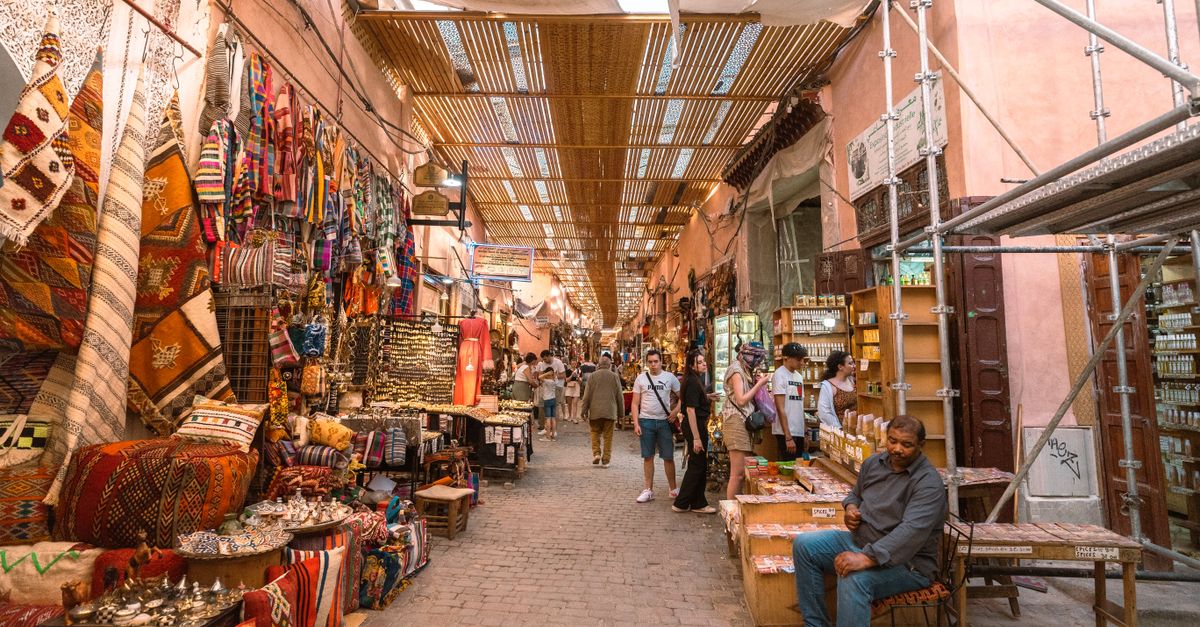
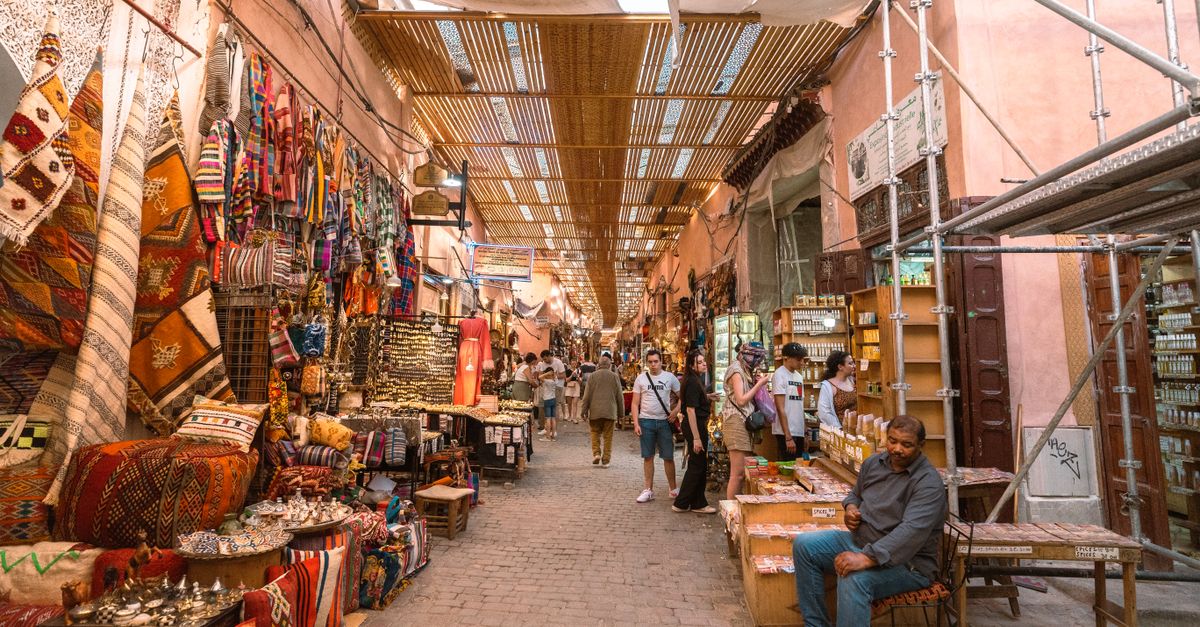
The souks of Marrakech, Fez, and Chefchaouen are sensory masterpieces. They are also financial minefields. Shopkeepers are masters of hospitality: they will offer you mint tea, ask where you are from, and make you feel like family before dropping a price tag that could pay their rent for three months.
Take leather goods. A vendor in the Fez tanneries might quote you 1,200 MAD ($120 USD) for a handmade leather backpack. The actual fair price for high-quality goat leather is closer to 400 to 500 MAD ($40 to $50 USD).
Rugs are the ultimate test. A medium-sized, hand-woven Berber wool rug will often start at a staggering 8,000 MAD ($800 USD). Unless it is a genuine, decades-old antique museum piece, a fair price for a newly made wool rug of that size is around 1,500 to 2,500 MAD ($150 to $250 USD).
Taxis and transport: avoiding the city-center markups
Taxis are where most tourists get ripped off within their first hour in the country.
In Marrakech, when you walk out of Menara Airport, drivers will confidently demand 150 to 200 MAD ($15 to $20 USD) for a ride to the medina. The official, government-mandated price is posted on a board near the taxi stand: it is usually around 70 to 100 MAD depending on the time of day.
Inside cities, always insist on the “petit taxi” using the meter (le compteur). A daytime ride across town in Marrakech or Rabat should rarely cost more than 15 to 30 MAD ($1.50 to $3 USD). If the driver claims the meter is “broken,” simply step out and find another taxi. There are thousands of them.
For longer intercity trips, the train network (ONCF) is incredibly cheap, clean, and punctual. A high-speed train ticket from Tangier to Casablanca costs around 150 to 250 MAD ($15 to $25 USD).
Accommodation and food: from street stalls to luxury riads
Food in Morocco is a joy, both for your tastebuds and your wallet. If you stick to local spots, you will eat like a king for pennies.
A bowl of hearty harira soup with bread costs 5 to 10 MAD ($0.50 to $1 USD). A fresh chicken or vegetable tagine at a simple roadside cafe costs about 35 to 50 MAD ($3.50 to $5 USD). If you climb up to a trendy rooftop restaurant in the Marrakech medina with an Instagram-friendly view, that same tagine will cost 120 to 180 MAD ($12 to $18 USD).
Riads (traditional houses with interior courtyards) offer some of the best value lodging in the world. You can find beautiful, highly-rated budget riads for 400 MAD ($40 USD) a night, which almost always includes a massive breakfast of fresh orange juice, pancakes, and coffee.
The ultimate Morocco haggling cheat sheet
Here is a quick reference guide to help you benchmark prices before you start talking numbers with a vendor.
| Item | Typical first quote (tourist trap) | Fair local price | Haggling strategy |
|---|---|---|---|
| Leather babouche slippers | 250 - 350 MAD | 80 - 120 MAD | Walk away if they do not drop to 100 MAD: slippers are everywhere. |
| Ceramic tagine pot (medium) | 150 - 200 MAD | 40 - 60 MAD | Make sure it is lead-free if you plan to cook with it, not just decorate. |
| Argan oil (100ml, pure) | 300 - 400 MAD | 80 - 120 MAD | Avoid roadside cooperatives on tour bus routes: buy in local herbalists. |
| Berber wool rug (medium) | 6,000 - 9,000 MAD | 1,500 - 2,500 MAD | Sit down, drink the tea, but do not go over 2,500 unless it is vintage. |
| Mint tea at a cafe | 30 - 40 MAD | 10 - 15 MAD | Check the printed menu. If there is no menu, expect to pay 10 MAD. |
| Medina taxi ride (short) | 100 MAD | 15 - 25 MAD | Insist on the meter (compteur) before closing the door. |
How to haggle without being a jerk
Haggling in Morocco is not a battle: it is a social dance. It is expected, and it is built into the culture. However, there is a right way to do it.
First, never offer a price unless you are genuinely prepared to buy. Offering a price, having the vendor accept it, and then walking away is considered very bad form.
Second, keep it light and friendly. Smile, joke, and do not get angry. A good rule of thumb is to counter-offer with about one-third of their initial price, aiming to settle around 40% to 50% of their starting bid (or lower, if the starting bid was absurd).
Finally, remember to punch up, not down. If you are arguing over 5 MAD ($0.50 USD), stop. That pocket change means far more to a local artisan than it does to you. Pay the extra fifty cents with a smile.
I built TruePrice because I wanted travelers to have confidence when they travel. Knowing the real local price means you can negotiate fairly, support the local economy honestly, and avoid that nagging feeling that you have been taken for a ride.
To keep all these fair local prices in your pocket while you explore the souks, download TruePrice free at https://truepriceapp.com
Frequently asked questions
Do I need cash in Morocco or are cards widely accepted?
Cash is king in Morocco. While mid-range hotels and upscale restaurants accept credit cards, you will need Moroccan Dirhams (MAD) for taxis, street food, and souk shopping. Always carry small bills, as vendors rarely have change for 200 MAD notes.
Is tipping expected in Morocco and how much should I leave?
Tipping is customary but voluntary. In simple cafes, leaving 2 to 5 MAD is plenty, while in sit-down tourist restaurants, a 10% tip is standard. For taxi drivers, rounding up to the nearest 5 or 10 MAD is appreciated.
Can I haggle for food and drink in Morocco?
No, you should never haggle for food, drinks, or restaurant meals. These items have fixed prices, which are usually listed on a menu or known locally. Haggling is strictly reserved for souvenirs, taxis without meters, and unregulated tours.
What is a fair price for a desert tour from Marrakech?
A standard 3-day, 2-night budget desert group tour from Marrakech to Merzouga typically costs between 1,000 and 1,500 MAD ($100 to $150 USD) per person. Be wary of street agencies quoting double this price for the exact same shared minibus.
How do I get a fair price on a SIM card at the airport?
Telecom booths at Casablanca and Marrakech airports often hand out free SIM cards, but you will need to pay to activate a data plan. A fair rate is 10 MAD ($1 USD) per 1 GB of data. Do not pay more than 100 MAD for a standard 10 GB tourist package.