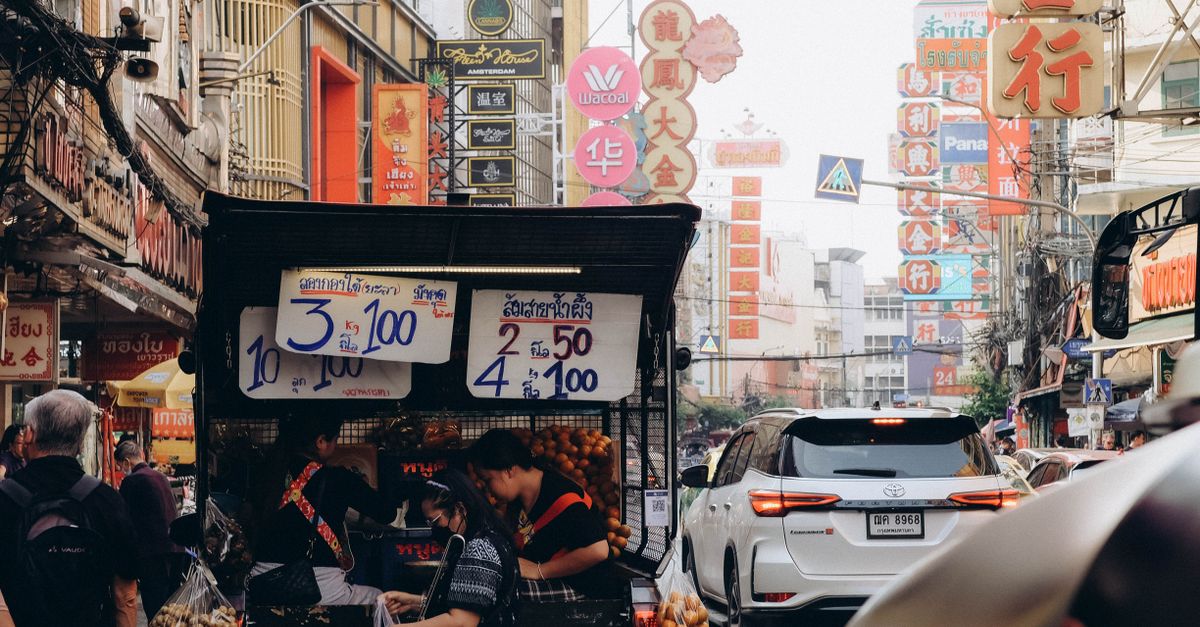
Travel tips
Is Thailand expensive? The real cost of visiting in 2025
Thailand remains highly affordable for most travelers, but prices vary wildly depending on where you go. You can easily get by on $35 a day using local guesthouses and street food stalls, or spend over $300 a day at high-end island resorts where tourist markups are common.
Thailand has a legendary reputation as a budget paradise. For decades, backpackers have landed in Bangkok with nothing but a couple of hundred dollars and a dream, living comfortably for weeks. But if you open Instagram today, you will see luxury pool villas in Phuket and high-end rooftop bars in Bangkok that rival New York prices.
So, is Thailand expensive? The short answer is no, but it has become incredibly easy to overpay. The gap between what a local pays and what an unsuspecting tourist pays has grown wider. I build TruePrice to help travelers spot these discrepancies, and in this guide, I will break down the actual costs of traveling through Thailand so you do not fall into the classic tourist traps.
How much does a trip to Thailand actually cost?
Your daily spending in Thailand depends almost entirely on your travel style. The country accommodates everyone from the shoe-string backpacker to the luxury resort enthusiast.
To give you a realistic idea of daily expenses, I have broken down three typical travel budgets. These figures include accommodation, three meals, transport, and a few activities or drinks.
If you stick to local spots, you will find your money goes incredibly far. If you demand Western comforts at every turn, you will pay Western prices, sometimes with an added tourist premium.
The price gap between northern Thailand and the southern islands
Geography plays a massive role in Thai pricing. Northern Thailand, centered around Chiang Mai and Chiang Rai, is remarkably cheap. You can rent a beautiful apartment for a month in Chiang Mai for the same price as a week in a mid-range hotel in Phuket.
Once you head south to the islands, prices rise sharply. Islands like Phuket, Koh Samui, and Koh Phi Phi operate on a different economic scale. Everything from bottled water to gasoline has to be shipped in, and the local economies are geared almost entirely toward tourism.
In Phuket, a basic taxi ride that would cost 80 THB in Bangkok can easily cost 400 to 500 THB because of local transport monopolies. If you are on a tight budget, spend more time in the cultural north and limit your time on the famous southern beaches.
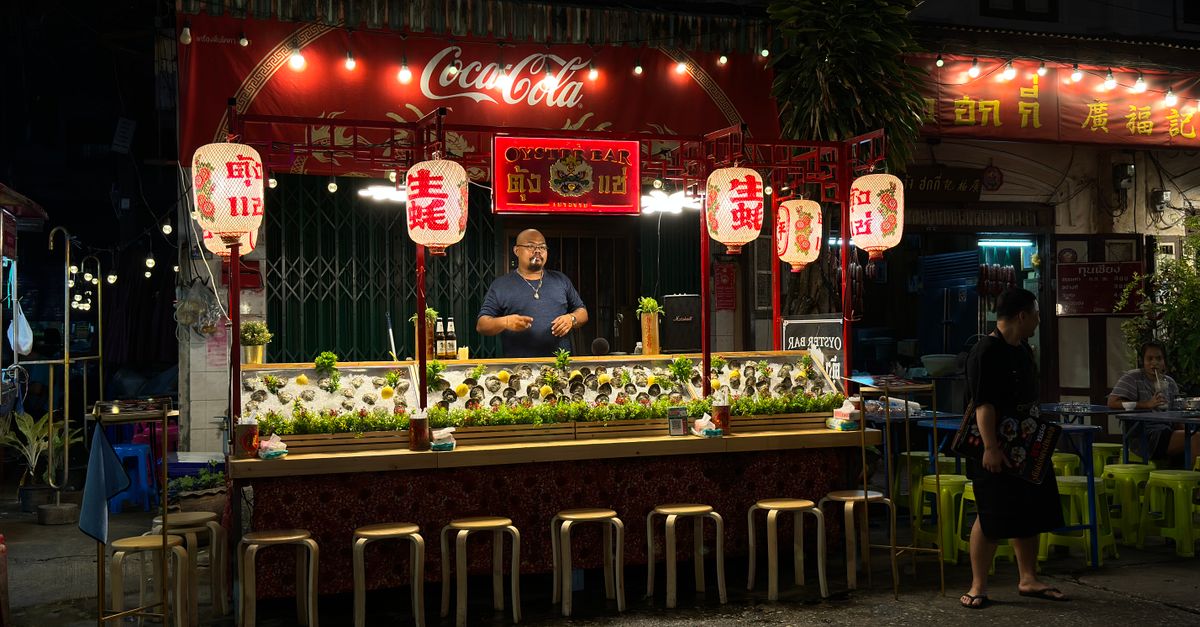
Eating like a local vs eating like a tourist
Food is where you can save or waste the most money in Thailand. Thai street food is not just cheap: it is often the best food in the country. A plate of Pad Thai, Pad Kra Prow (basil stir-fry), or a bowl of noodle soup at a local night market will cost you between 40 and 60 THB ($1.15 to $1.70 USD).
If you walk into an air-conditioned restaurant with English-only menus and Western music, that exact same plate of Pad Thai will cost 180 to 250 THB ($5.15 to $7.15 USD).
Here is a quick look at the price differences for typical items you will buy daily:
| Item | Fair local price | Tourist-trap price | How to get the fair price |
|---|---|---|---|
| Pad Thai / Fried Rice | 50 - 70 THB | 180 - 250 THB | Eat at open-air stalls with plastic chairs and Thai menus. |
| Large Chang Beer (620ml) | 80 - 100 THB | 180 - 250 THB | Buy at 7-Eleven or local mom-and-pop shops instead of beach clubs. |
| 3 km Taxi / Ride-hail | 70 - 100 THB | 300 - 400 THB | Use Grab or Bolt apps to book, or insist on the meter before getting in. |
| Thai Massage (1 hour) | 200 - 300 THB | 600 - 1,000 THB | Walk a block away from the main beach road or tourist plazas. |
| Fresh Coconut | 40 - 50 THB | 100 - 150 THB | Buy from mobile fruit carts rather than beachfront vendors. |
Transport costs and how to avoid the tuk-tuk tax
Getting around Thailand can be incredibly cheap if you use public transport. Bangkok has the BTS Skytrain and MRT Underground, which are clean, fast, and cost between 20 and 60 THB ($0.60 to $1.70 USD) per trip.
Tuk-tuks, while iconic, are rarely the cheapest or most comfortable way to travel. They do not have meters, meaning you must negotiate the fare before you get in. As a tourist, you will almost always be quoted a price that is three to four times the local rate.
To keep your transport costs low, download ride-hailing apps like Grab or Bolt as soon as you arrive. Even if you prefer to take a traditional taxi, checking the app first gives you a baseline price so you know if a driver is trying to overcharge you.
Accommodation options for every budget
Your accommodation budget in Thailand can go incredibly far if you are flexible.
In the budget category, a bed in a highly rated, air-conditioned hostel social hub will cost you 250 to 500 THB ($7 to $14 USD) per night. If you prefer your own space, basic guesthouses with private bathrooms and fan or air conditioning range from 600 to 1,200 THB ($17 to $34 USD).
Mid-range travelers can enjoy beautiful boutique hotels, often with swimming pools and included breakfasts, for 1,500 to 3,500 THB ($42 to $100 USD) per night.
If you want true luxury, Thailand has some of the finest resorts in the world. While a five-star hotel in Koh Samui can easily cost $400+ USD per night, this is still significantly cheaper than what you would pay for equivalent luxury in Hawaii or the French Riviera.
How to spot a tourist markup in Thailand
Spotting a tourist markup in Thailand requires a little bit of observation. The most common markup is dual pricing. Some national parks and temples charge foreigners up to ten times the price they charge Thai citizens. While this is official policy, unofficial markups happen at markets, taxi stands, and tour agencies.
To protect your wallet, remember these three rules:
- Avoid buying tours or transport from the very first desk you see at train stations, ferry ports, or airport arrivals. Walk outside or book online to find the real market rate.
- Look for menus with prices clearly printed. If a restaurant has a menu without prices, or if the prices are hand-written on a sticky note over the original print, you are likely paying a tourist premium.
- Do not be afraid to walk away. In Thailand, there is almost always another shop, taxi, or restaurant just twenty yards down the street.
Keeping track of what is fair can be exhausting when you just want to enjoy your holiday. I built TruePrice to take the guesswork out of your travel spending. It gives you instant access to real, community-verified local prices versus the tourist-trap rates for everything from fresh coconuts to island boat transfers. Download TruePrice free on the App Store today and travel with confidence: https://apps.apple.com/app/id6762357469
Frequently asked questions
How much cash should I bring to Thailand?
It is best to carry around 1,000 to 2,000 THB (about $30 to $60 USD) in cash per day for street food, local transport, and market shopping. Keep in mind that Thai ATMs charge a flat fee of 220 THB ($6.50 USD) per withdrawal, so making fewer, larger withdrawals is the smartest move.
Is Chiang Mai cheaper than Phuket?
Yes, Chiang Mai is significantly cheaper than Phuket. Food, accommodation, and transport in northern Thailand generally cost 30% to 50% less than in the southern islands, where high shipping costs and heavy tourism drive up prices.
Do I need to tip in Thailand?
Tipping is not traditional in Thailand, but it is increasingly appreciated in tourist areas. Rounding up the bill at a local restaurant or leaving 20 to 50 THB for a massage therapist or tour driver is a kind gesture, while high-end restaurants will usually add a 10% service charge to your bill.
Is street food in Thailand safe and cheap?
Thai street food is incredibly safe, especially at busy stalls with high turnover where you can see the food being cooked fresh. It is also the cheapest way to eat, with a filling plate of noodles or rice typically costing between 40 and 60 THB ($1.15 to $1.70 USD).
How do I avoid getting ripped off by taxis in Bangkok?
Always insist that the driver turns on the meter before you get into a taxi. If they refuse and try to quote a flat price, politely get out and find another cab, or use ride-hailing apps like Grab or Bolt to secure a guaranteed, fair price.