Travel tips
Is Croatia expensive? What to actually budget after the euro switch
Croatia is no longer a budget destination. Since adopting the euro, coastal hotspots like Dubrovnik and Split have seen steep price hikes, but inland destinations and local neighborhood taverns (konobas) remain highly affordable if you know where to look.
I get asked this question more than almost any other. A decade ago, Croatia was the darling of budget travellers looking for an alternative to Italy or Greece. It felt like a steal. Today, travel forums are filled with sticker-shock horror stories: eight-euro beers in Dubrovnik and twenty-euro plates of basic pasta in Split.
So, what is the actual truth? I built TruePrice to cut through this exact noise. Let us look at the real numbers, the impact of the recent euro transition, and how you can still visit this beautiful country without emptying your savings.
How did the euro switch affect Croatia prices?
On January 1, 2023, Croatia officially adopted the euro, phasing out the kuna. While the official conversion rate was locked in, many businesses used the transition as a convenient excuse to round up prices. Combine that with global inflation, and the cost of travel in Croatia took a noticeable jump.
A scoop of ice cream that used to cost 10 kuna (about 1.30 EUR) suddenly became 2 or even 3 EUR in coastal towns. A macchiato at a local cafe rose from 12 kuna (1.60 EUR) to 2.20 EUR. While this might not sound like a disaster, these small roundings added up across accommodation, dining, and transport.
What is the price difference between the coast and inland Croatia?
There are essentially two Croatias in terms of pricing. There is the coastal strip (Istria, Dalmatia, and the islands) and there is the interior (Zagreb, Slavonia, and the hilly north).
If you stay in Zagreb, the capital, you will find prices that are incredibly reasonable for a European capital. A hearty lunch menu (locally called a gablec) costs around 7 to 9 EUR. A local beer is 3 EUR.
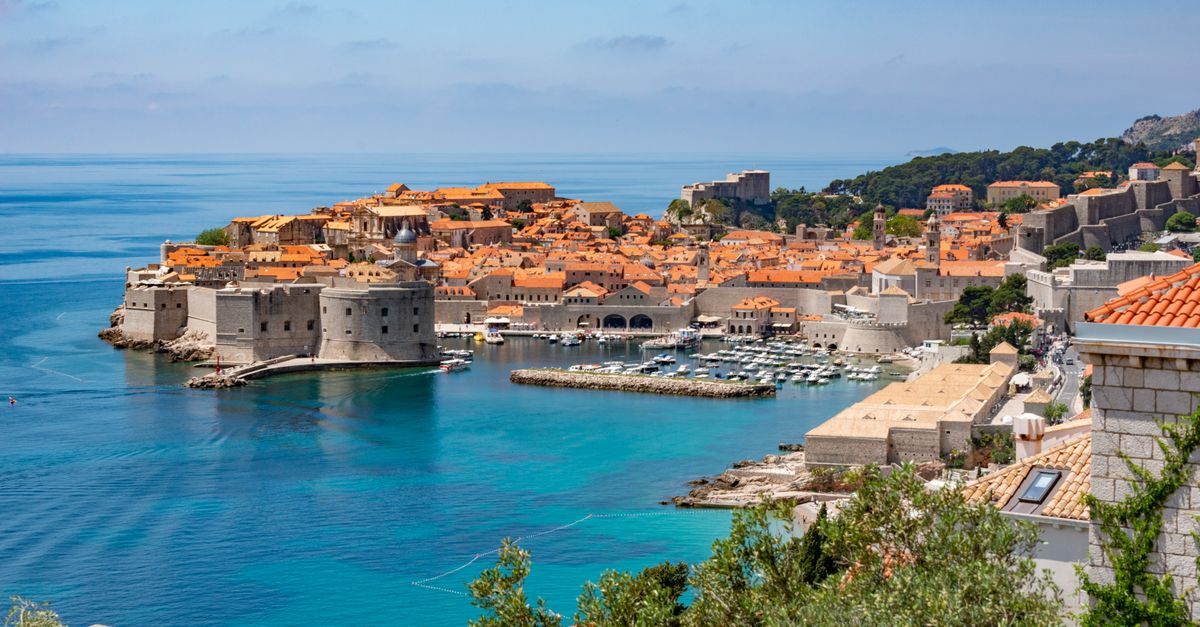
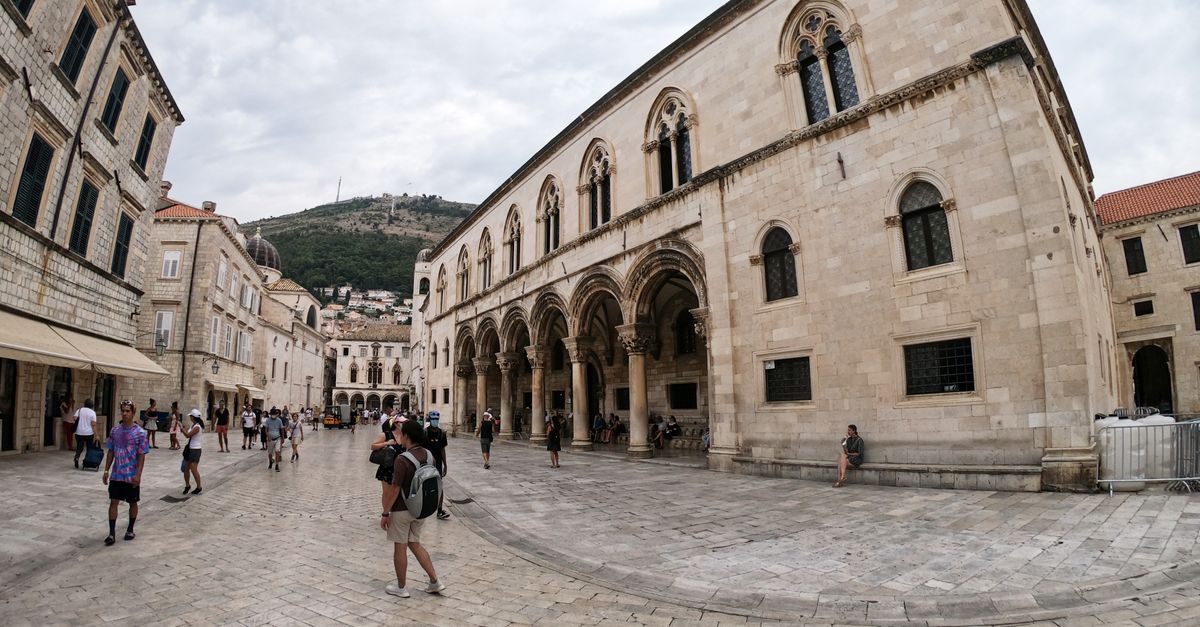
Once you cross the mountains to the Adriatic coast, prices double. In Dubrovnik, Split, and Hvar, you are paying premium Mediterranean prices. Dubrovnik, in particular, operates in its own financial atmosphere. The Old Town is essentially an open-air museum where real estate is scarce and demand is infinite.
How much does food and drink cost in Croatia?
Eating out in Croatia can be a highlight of your trip, or it can be the quickest way to blow your budget. The secret lies in understanding where locals eat versus where tourists are funneled.
Locals eat at a konoba (a traditional tavern) or a pizzeria. Tourists often end up at waterfront restaurants with English-only menus and hosts calling out to you from the pavement.
Here is a direct comparison of what you can expect to pay for typical meals:
| Item | Fair local price (Konoba / Local spot) | Tourist-trap price (Waterfront / Old Town) | Note on the difference |
|---|---|---|---|
| Black risotto (crni rižot) | 12.00 EUR | 24.00 EUR | Local spots use fresh squid; tourist traps often use frozen seafood and charge double. |
| Seafood platter for two | 45.00 EUR | 90.00 EUR | Look for family-run places slightly uphill from the harbor. |
| Large margherita pizza | 8.50 EUR | 16.00 EUR | Pizzerias in Croatia are generally excellent and offer great value. |
| Domestic draft beer (0.5L) | 3.50 EUR | 8.00 EUR | Avoid any place displaying giant international beer brand umbrellas. |
| Bottle of still water (0.75L) | 3.00 EUR | 6.50 EUR | Tap water in Croatia is perfectly safe and free: ask for obična voda. |
What are the common tourist traps and markups to avoid?
Croatia is incredibly safe, but opportunistic pricing is common during the peak summer months (July and August). Here are the main traps I track:
Ferry and catamaran markups: Booking ferry tickets through third-party reseller websites can add a 20% to 30% markup. Always book directly through Jadrolinija, the national ferry company, or Krilo for fast catamarans.
Old Town grocery stores: Small convenience stores inside the historic walls of Split or Dubrovnik charge up to 50% more for basic items like water, milk, and sunscreen. Walk five minutes outside the city gates to a Studenac, Konzum, or Tommy supermarket to pay normal local prices.
The “fresh fish” weight trap: Many upscale restaurants sell fresh fish by the kilogram (e.g., 80 EUR/kg). When you order, they might bring out a fish that is far larger than you expected, resulting in a shocking bill. Always ask them to weigh the fish and give you the exact price before it goes into the kitchen.
Overpriced beach beds: Some trendy beach clubs in Hvar or Dubrovnik charge up to 100 EUR per day for a sunbed and umbrella. Walk just ten minutes down the coast and you will usually find public beaches where you can lay down a towel for free or rent a basic sunbed for 15 EUR.
How much should you budget per day in Croatia?
Your daily budget will depend heavily on the season and your travel style. May and September offer the best balance of warm weather and lower prices, while July and August are the most expensive.
Here is a realistic daily budget breakdown for a mid-range traveler visiting the coast during the shoulder season:
If you are on a tight budget, you can bring this down to about 60 EUR per day by staying in hostel dorms, cooking your own meals using ingredients from local green markets (pazar), and sticking to free public beaches.
What are the best ways to save money in Croatia?
You do not have to skip the coast to save money. You just need to change how you travel.
First, use the local buses. Croatia has an excellent, affordable long-distance bus network. Operators like Arriva and FlixBus connect almost every town. Private transfers and taxis are incredibly expensive, especially near airports.
Second, drink the tap water. It is clean, safe, and tastes great. Bring a reusable water bottle and fill it up at public fountains.
Third, visit the local green markets. Every Croatian town has an outdoor market operating in the mornings. You can buy fresh figs, tomatoes, olive oil, and local sheep cheese directly from producers for a fraction of supermarket prices.
Finally, download TruePrice before you go. I built the app to help you instantly spot when a restaurant or taxi driver is trying to charge you the tourist-trap rate. You can download TruePrice free at https://truepriceapp.com
Frequently asked questions
Is Dubrovnik more expensive than Split?
Yes, Dubrovnik is generally 20% to 30% more expensive than Split for accommodation, dining, and activities. The limited space inside the historic Old Town walls drives up prices significantly.
Can I use euros everywhere in Croatia?
Yes, the euro is the sole official currency of Croatia. Credit cards are widely accepted, but it is always smart to carry some cash for small bakeries, green markets, and family-run taverns.
Is tap water safe to drink in Croatia?
Absolutely. Tap water in Croatia is of exceptionally high quality and perfectly safe to drink everywhere, meaning you can easily avoid buying bottled water.
How much does a typical meal cost in Croatia?
A meal at a local tavern (konoba) costs around 12 to 18 EUR per person, while a meal at a waterfront tourist restaurant in Dubrovnik or Split easily ranges from 25 to 50 EUR.
Is tipping expected in Croatia?
Tipping is appreciated but not mandatory. Rounding up the bill is common for cafes, while a 10% tip is standard in sit-down restaurants for good service.