Travel tips
Is Iceland expensive? A realistic budget guide for your trip
Yes, Iceland is one of the most expensive countries in the world, but you can manage your budget with smart choices. Skip expensive bottled water, shop at discount supermarkets like Bónus, and focus on free natural sights instead of pricey organized tours.
Yes, Iceland is expensive. There is no point in sugarcoating it. When you look at global cost of living indexes, Iceland consistently ranks near the top alongside Switzerland and Norway. Because it is an isolated island nation in the North Atlantic, almost everything has to be imported, and high local wages plus high taxes keep prices elevated.
But here is the good news: you do not need to empty your retirement account to experience the dramatic waterfalls, black sand beaches, and volcanic landscapes. I built TruePrice to help travelers understand actual local costs, and Iceland is the perfect example of a destination where a few smart adjustments can save you hundreds of dollars.
Here is a realistic look at what things actually cost in Iceland, what is genuinely worth your money, and how to keep your budget under control.
Why is Iceland so expensive?
To understand the prices, you have to understand the geography. Iceland has a tiny population of around 390,000 people. Because of the cold climate and volcanic soil, agriculture is limited. Most of the food you eat, the fuel you burn, and the goods you buy must be shipped or flown in.
On top of that, Iceland has a strong economy with high minimum wages. The people serving your food, cleaning your hotel room, and driving your tour buses are paid fair living wages. Finally, the standard value-added tax (VAT) is 24%, though a lower rate of 11% applies to food and books. When you combine high import costs, high wages, and high taxes, you get a premium price tag on everything.
How much does food and drink actually cost in Iceland?
Eating out is where most travel budgets go to die in Iceland. If you walk into a standard mid-range restaurant in Reykjavik, a single main course will easily cost you 3,500 to 5,500 ISK ($25 to $40 USD). A simple fast-food burger meal can cost 2,500 ISK ($18 USD).
If you want to enjoy a beer with your dinner, expect to pay around 1,200 to 1,500 ISK ($9 to $11 USD) for a pint of local draft beer.
The chart above shows how much you save by buying these everyday items at a supermarket instead of paying tourist prices.
Which Iceland experiences are actually worth the money?
Because activities are expensive, you need to be selective about what you book. Some experiences are absolutely worth the price, while others have cheaper or free alternatives.
Worth paying for: Glacier hiking and ice caving
Do not attempt to walk on glaciers without a certified guide and proper safety gear like crampons and ice axes. Paying 15,000 to 25,000 ISK ($110 to $180 USD) for a guided glacier hike on Skaftafell or Sólheimajökull is worth every penny for safety and access to incredible terrain.
Skip or swap: The Blue Lagoon
The Blue Lagoon is world-famous, but entry tickets start at around 9,000 to 14,000 ISK ($65 to $100 USD) depending on the time of day. Instead, consider the Sky Lagoon near Reykjavik, which has a more natural feel and is slightly cheaper. Or, do what locals do: visit public thermal pools like Laugardalslaug in Reykjavik. Entry is only about 1,250 ISK ($9 USD), and you get hot tubs, steam baths, and a genuine slice of Icelandic culture.
How can you save money on transport and fuel?
Public transport outside of Reykjavik is practically non-existent for tourists. You will need to rent a car, book guided bus tours, or rent a campervan.
If you are traveling with a partner or group, renting a small car is almost always cheaper than booking individual day tours. A day tour of the Golden Circle can cost 10,000 to 15,000 ISK ($73 to $110 USD) per person. Renting a small economy car might cost 8,000 to 12,000 ISK ($58 to $88 USD) per day, plus fuel, meaning two people instantly save money by driving themselves.
Fuel is expensive, typically costing around 300 ISK per liter (roughly $8.30 USD per gallon). When you rent a car, the rental agency will often give you a discount chip or key fob for specific gas station chains like Orkan or Olís. Always use these to save 3-5% on every fill-up.
What are the best ways to cut your daily costs in Iceland?
If you want to keep your trip to Iceland affordable, you need to change your daily habits. Here are the most effective strategies:
- Shop at Bónus or Krónan: These are the discount grocery stores. Avoid shopping at 10-11, which is a convenience store chain with prices that are often 50% to 100% higher for the exact same items.
- Cook your own meals: Book accommodation with a shared kitchen. Preparing your own breakfast and dinner using ingredients from Bónus will save you a fortune.
- Buy alcohol at the airport: If you want to drink, buy your alcohol at the Duty-Free store in Keflavik Airport immediately after landing. It is significantly cheaper than buying it at the state-run Vínbúðin stores or bars.
- Embrace the gas station culture: Icelandic gas stations (like N1 or Olís) are not like the ones in other countries. They serve high-quality food, including the famous Icelandic hot dog (pylsa), which is made from organic lamb and costs around 500 to 600 ISK ($4 USD).
Where can you find free things to do in Iceland?
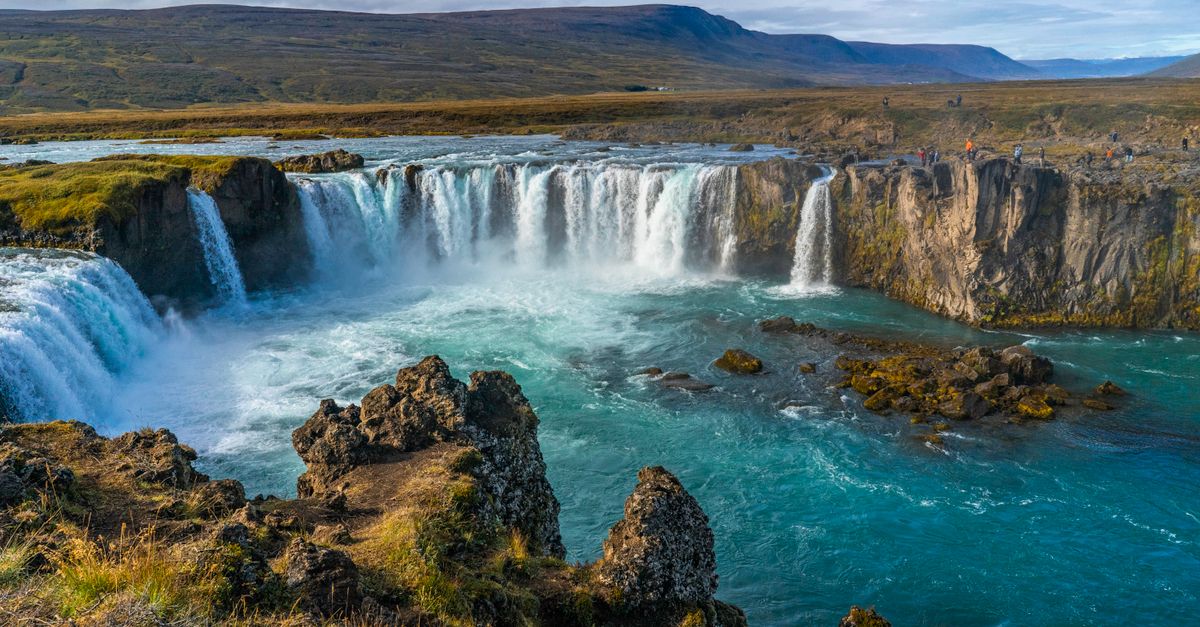
The best part of Iceland is the nature, and nature is entirely free. You do not have to pay an admission fee to see spectacular sights like Gullfoss, Seljalandsfoss, or the black sand beach at Reynisfjara.
You will occasionally have to pay a small parking fee (usually around 800 to 1,000 ISK, or $6 to $7 USD) at popular sites like Thingvellir National Park or Skaftafell, but the sights themselves do not cost a dime. You can spend days exploring the Ring Road, hiking through canyons, and viewing basalt columns without ever opening your wallet for an attraction ticket.
Planning a trip should not involve constant guesswork about what things actually cost. If you want to avoid tourist traps and see the fair local prices for everyday goods, transport, and food around the globe, download TruePrice free on the App Store: https://apps.apple.com/app/id6762357469
Frequently asked questions
How much does a meal cost in Iceland?
A basic meal at a casual restaurant or pub costs around 3,000 to 4,000 ISK ($22 to $29 USD). Fine dining or a three-course dinner will easily exceed 10,000 ISK ($73 USD) per person without drinks.
Is the tap water safe to drink in Iceland?
Yes, Icelandic tap water is some of the cleanest and best-tasting water in the world. Buying bottled water is a complete waste of money and highly discouraged by locals.
Why is alcohol so expensive in Iceland?
Iceland imposes high government taxes on alcohol based on its percentage of volume. Additionally, alcohol can only be purchased at state-run liquor stores called Vínbúðin, which have limited hours.
Is it cheaper to rent a car or take tours in Iceland?
If you are traveling with two or more people, renting a car is almost always cheaper than booking individual day tours. It also gives you the freedom to visit free natural sights on your own schedule.
What is the cheapest supermarket in Iceland?
Bónus, recognizable by its yellow logo with a pink pig, is the cheapest supermarket chain in Iceland. Krónan is another highly affordable option with a slightly larger selection of fresh goods.